


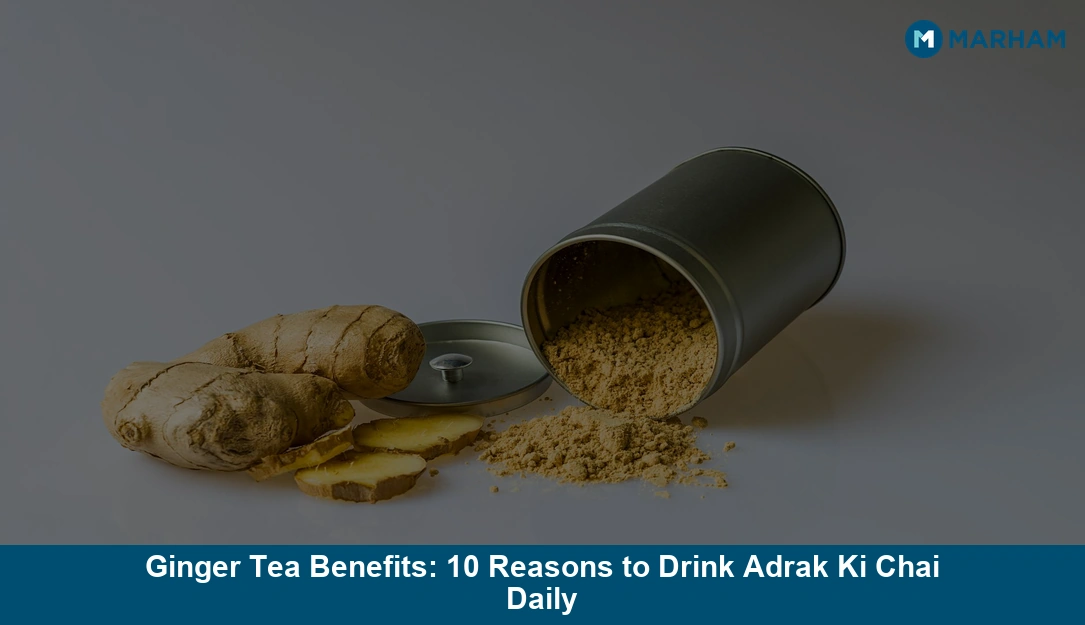
In millions of Pakistani households, adrak ki chai is not just a beverage — it is a daily ritual, a remedy for cold mornings, and the first thing offered when someone feels unwell. But beyond cultural tradition, the ginger tea benefits are supported by a growing body of scientific research. From settling an upset stomach to reducing chronic inflammation, ginger tea delivers genuine, measurable health effects with every cup. This guide explores 10 evidence-based reasons to make ginger tea a daily habit, plus the right way to brew it and who should be cautious.
A comprehensive review in the journal Food Science and Nutrition found that ginger (Zingiber officinale) contains over 100 bioactive compounds, with gingerol — the primary active ingredient — showing anti-inflammatory, antioxidant, and anti-nausea properties across 60+ clinical trials [Source: Food Science and Nutrition, 2023].
What Makes Ginger Tea So Effective?
The magic lies in gingerol, shogaol, and zingerone — bioactive compounds that give ginger its distinctive spicy-warm flavour and its health benefits. When you brew fresh ginger in hot water, these compounds are released into the liquid. The longer you steep, the more concentrated — and more potent — the tea becomes.
Fresh ginger is more potent than powdered, but both forms provide benefits. Ginger tea bags contain dried ginger and are a convenient alternative, though with lower gingerol concentration.
10 Evidence-Based Ginger Tea Benefits
1. Relieves Nausea and Morning Sickness
Ginger is one of the most well-studied natural anti-nausea remedies. It is particularly effective for pregnancy-related morning sickness, post-surgery nausea, and motion sickness. A meta-analysis of 12 randomised controlled trials confirmed that ginger significantly reduces nausea and vomiting in pregnant women without safety concerns [Source: Nutrients, 2022].
2. Aids Digestion
Ginger stimulates saliva, bile, and gastric juice production, speeding up the emptying of the stomach. This reduces bloating, indigestion, and that heavy, uncomfortable feeling after meals — which is why adrak ki chai after a Pakistani feast works so well.
3. Reduces Inflammation
Chronic inflammation is linked to heart disease, diabetes, arthritis, and cancer. Gingerol inhibits the production of pro-inflammatory cytokines at the cellular level. Regular ginger consumption has been shown to reduce inflammatory markers (CRP and IL-6) by 10–30% in clinical trials [Source: Journal of Medicinal Food, 2022].
4. Eases Muscle and Joint Pain
Ginger’s anti-inflammatory properties extend to musculoskeletal pain. Studies show that daily ginger consumption reduces muscle soreness after exercise by 25% and provides meaningful relief in osteoarthritis patients [Source: Arthritis & Rheumatism, 2021].
5. Supports Immune Function
Ginger has antimicrobial properties that fight respiratory infections. Its warming effect on the throat soothes coughs and sore throats — a reason Pakistani mothers reach for adrak wali chai at the first sign of a cold. Vitamin C and zinc in fresh ginger further support immune response.
6. May Lower Blood Sugar
Several studies show that ginger improves fasting blood sugar and HbA1c levels in people with type 2 diabetes. A randomised trial found that 2g of ginger powder daily reduced fasting blood sugar by 12% over 12 weeks [Source: Complementary Therapies in Medicine, 2022].
7. Supports Heart Health
Ginger helps lower LDL cholesterol, reduce blood pressure, and prevent blood clot formation. These combined effects make it a heart-protective food, particularly relevant in Pakistan where cardiovascular disease is the leading cause of death.

8. Promotes Weight Management
Ginger increases thermogenesis (heat production) and helps control appetite. A review of 14 studies concluded that ginger supplementation significantly reduced body weight and waist-to-hip ratio [Source: Critical Reviews in Food Science and Nutrition, 2023].
9. Relieves Menstrual Pain
Ginger is as effective as ibuprofen for reducing menstrual cramps, according to multiple clinical trials. Taking ginger tea during the first 3 days of the period significantly reduces pain intensity and duration.
10. Improves Brain Function
Animal and early human studies suggest that ginger’s antioxidants protect brain cells from oxidative damage and may improve reaction time, working memory, and attention. While more research is needed, the existing evidence is promising.
How to Make the Perfect Ginger Tea
Basic Adrak Ki Chai
- Peel and thinly slice a 1-inch piece of fresh ginger
- Add to 2 cups of water and bring to a boil
- Reduce heat and simmer for 10 minutes
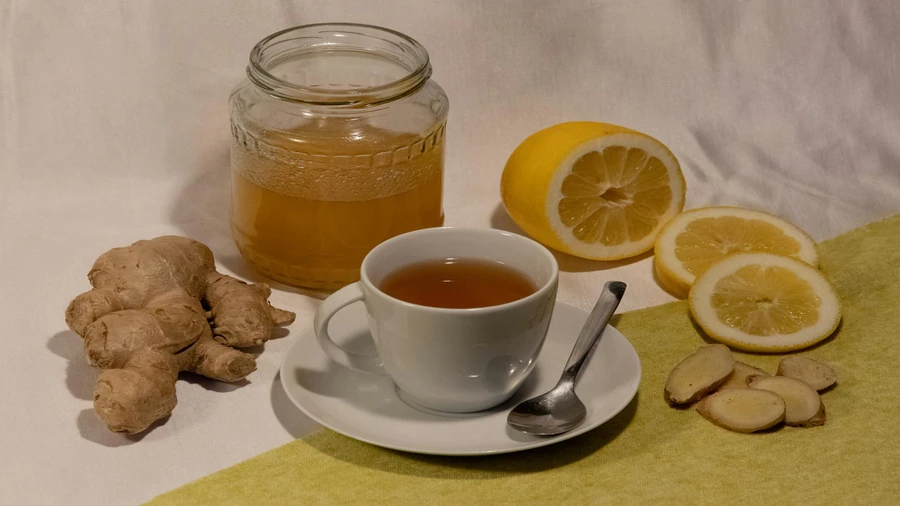
- Strain and add a squeeze of lemon and half a teaspoon of honey (optional)
- For doodh patti style: add tea leaves and milk after boiling the ginger, simmer for 3 minutes, strain
Enhanced Variations
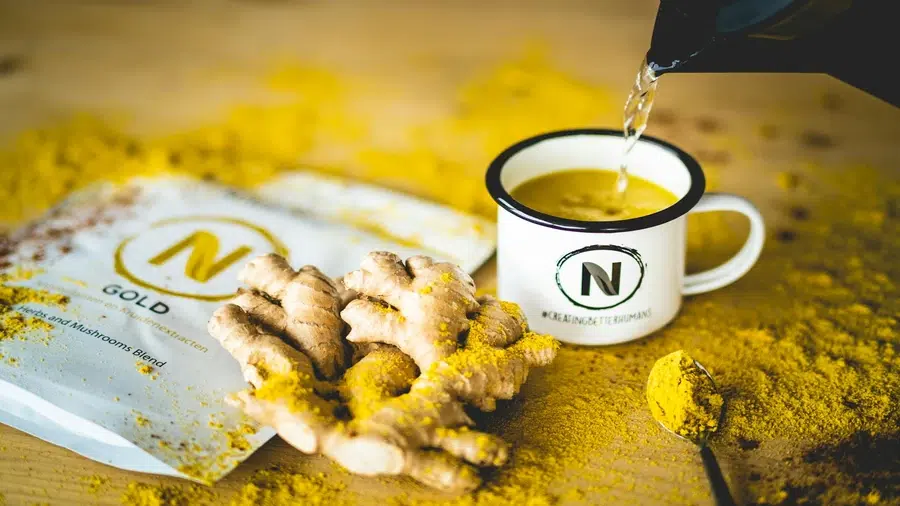
- Ginger + turmeric + black pepper: anti-inflammatory powerhouse (the pepper enhances turmeric absorption)
- Ginger + cinnamon + honey: blood sugar support
- Ginger + lemon + mint: digestive aid and summer refresher (can be served cold)
- Ginger + cardamom (elaichi): traditional Pakistani flavour with added digestive benefits
How Many Cups Per Day Are Safe?
For most adults, 2–3 cups of ginger tea per day is safe and provides meaningful benefits. This is equivalent to approximately 3–4g of fresh ginger. Consuming more than 5g daily may cause heartburn, mouth irritation, or loose stools in some people.
Who Should Be Cautious
- People on blood-thinning medications (warfarin, aspirin): ginger has mild anticoagulant properties and may increase bleeding risk
- People with gallstones: ginger stimulates bile production, which can worsen gallbladder pain
- People with acid reflux or GERD: ginger may worsen heartburn in some individuals (though it helps others — individual tolerance varies)
- People scheduled for surgery: stop ginger 2 weeks before surgery due to bleeding risk
- Pregnant women: 1–2 cups of mild ginger tea is generally safe; avoid concentrated ginger supplements without medical advice
If you have any chronic condition or take prescription medications, consult your doctor on Marham before making ginger tea a daily high-dose habit.
Frequently Asked Questions
Is powdered ginger as effective as fresh?
Fresh ginger contains higher levels of gingerol (the primary active compound). Dried or powdered ginger contains more shogaol, which also has benefits but in different proportions. Both forms are beneficial; fresh is slightly more potent for anti-nausea and digestive effects.
Can ginger tea replace medication?
No. Ginger tea is a complementary health practice, not a substitute for prescribed medication. It can support treatment — for example, reducing nausea during chemotherapy or easing diabetes management — but should never replace doctor-prescribed drugs.
Does ginger tea help with weight loss?
Ginger tea supports weight management by boosting metabolism and reducing appetite. However, it will not cause significant weight loss on its own. It works best as part of a balanced diet and active lifestyle.
Is it safe to give ginger tea to children?
Mild ginger tea (a small piece of ginger in warm water with honey) is safe for children over 2 years. Use it sparingly for nausea, colds, or stomach aches. Avoid concentrated or strong ginger tea for young children.
A Cup of Health, Every Day
Ginger tea is one of the simplest, cheapest, and most effective health drinks available in every Pakistani kitchen. Whether you drink it to settle your stomach, warm up on a cold night, or support your heart and immune system, the science backs up what Pakistani grandmothers have always known: adrak ki chai is medicine. Brew a cup today and make it a daily habit your body will thank you for.
