


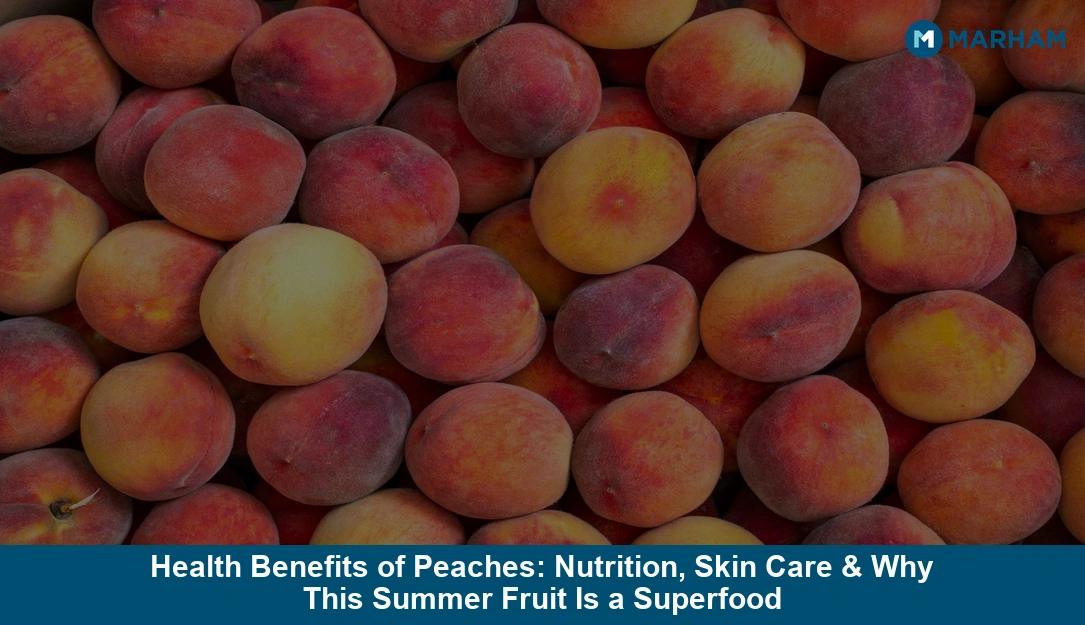
Sweet, juicy, and packed with vitamins — peaches are one of Pakistan’s favourite summer fruits, and their health benefits go far beyond great taste. The health benefits of peaches include better digestion, stronger immunity, healthier skin, and even cancer-fighting antioxidants. Whether you eat them fresh from the Swat Valley, blended into a smoothie, or sliced over yogurt, peaches deliver a remarkable nutritional punch for just 59 calories per medium fruit. This guide explores what makes peaches a genuine superfood and how to get the most out of them this season.
According to the USDA, peaches rank among the top 10 most nutrient-dense stone fruits worldwide, providing significant amounts of vitamins A and C, potassium, and dietary fibre [Source: USDA FoodData Central, 2024].
Nutritional Profile of a Medium Peach (150g)
- Calories: 59
- Carbohydrates: 14g
- Fibre: 2.3g
- Sugar: 13g (natural fructose)
- Protein: 1.4g
- Fat: 0.4g
- Vitamin C: 17% of daily value
- Vitamin A: 10% of daily value
- Potassium: 8% of daily value
- Niacin (B3): 6% of daily value
- Vitamin E: 5% of daily value
- Vitamin K: 5% of daily value
Peaches also contain polyphenols including chlorogenic acid, catechins, and quercetin — the same antioxidants found in green tea and apples.
Top Health Benefits of Peaches
1. Rich in Antioxidants
Peaches contain chlorogenic acid, a powerful antioxidant that reduces inflammation and protects cells from oxidative damage. Research in the Journal of Agricultural and Food Chemistry found that fresh peaches have higher antioxidant activity than many other commonly consumed fruits [Source: Journal of Agricultural and Food Chemistry, 2021].
2. Support Digestive Health
A medium peach provides 2.3g of fibre — a mix of soluble and insoluble types. Soluble fibre feeds beneficial gut bacteria, while insoluble fibre adds bulk to stool and prevents constipation. Peaches also contain natural sorbitol, a gentle stool softener.
3. Boost Immunity
With 17% of your daily vitamin C in one fruit, peaches support white blood cell production and function. Vitamin A further strengthens the mucous membranes in your nose, throat, and lungs — your body’s first line of defence against infections.

4. Promote Healthy Skin
Vitamin C stimulates collagen production, which keeps skin firm and reduces wrinkles. Vitamin A supports skin cell turnover, and the antioxidants protect against UV-induced skin damage. Eating peaches regularly provides these benefits from the inside out — no expensive serum required.
5. Support Heart Health
Peaches are a good source of potassium, which helps regulate blood pressure by counteracting sodium. Their fibre content lowers LDL cholesterol, and their phenolic compounds reduce the oxidation of LDL — a key step in plaque formation.
6. May Reduce Cancer Risk
Laboratory studies show that peach polyphenols inhibit the growth of breast cancer cells without harming normal cells [Source: Journal of Nutritional Biochemistry, 2022]. While human studies are still ongoing, the evidence is promising enough for researchers to classify peaches as a cancer-protective food.
7. Aid Weight Management
At just 59 calories with high water content (89%) and satisfying fibre, peaches are an ideal snack for anyone managing their weight. They satisfy sweet cravings naturally without the empty calories of processed sweets.
8. Support Eye Health
Beta-carotene (which the body converts to vitamin A) and lutein in peaches protect the retina from oxidative damage. Regular consumption supports long-term eye health and may reduce the risk of age-related macular degeneration.

9. Reduce Allergy Symptoms
Peaches contain compounds that inhibit histamine release from mast cells — the same mechanism targeted by antihistamine medications. Early research suggests regular peach consumption may mildly reduce seasonal allergy symptoms.
10. Support Bone Health
Peaches provide vitamin K, potassium, and phosphorus — all essential for maintaining bone density. Vitamin K plays a critical role in calcium metabolism and bone mineralisation.
Fresh vs Canned vs Dried Peaches
- Fresh peaches: best option — maximum nutrients, lowest sugar, highest water content
- Canned peaches (in juice): acceptable but contain less vitamin C; avoid those packed in heavy syrup
- Dried peaches: concentrated sugar and calories (about 3x per gram); eat in small portions
- Frozen peaches: nearly as nutritious as fresh; great for smoothies
Peaches for Skin Care (Topical Uses)
- Mash a ripe peach and apply as a face mask for 15 minutes — the natural acids gently exfoliate
- Mix mashed peach with honey for a hydrating mask
- Peach kernel oil (from the seed) moisturises without clogging pores
However, if you have sensitive skin, do a patch test before applying peach directly to your face.
How to Select and Store Peaches in Pakistan
- Choose peaches that give slightly when pressed — firm but not rock-hard
- A sweet, fragrant aroma at the stem end indicates ripeness
- Pakistani peaches from Swat, Balochistan, and northern Punjab are in season from June to August
- Store ripe peaches in the refrigerator for up to 5 days
- Unripe peaches can be left at room temperature for 1–3 days to ripen
Frequently Asked Questions
Are peaches safe for diabetics?
Yes, in moderation. A medium peach has a glycaemic index of about 42 (low) and contains fibre that slows sugar absorption. One peach per day is generally safe for most people with type 2 diabetes.

Can babies eat peaches?
Yes, from about 6 months of age. Start with pureed or mashed ripe peach. Peaches are an excellent first fruit — soft, sweet, and rich in vitamins. Remove the skin for babies under 9 months.
Are peach seeds poisonous?
Peach pits contain amygdalin, which can release cyanide when chewed. Do not eat, crack, or chew the pit. The flesh is completely safe.
How many peaches can I eat in a day?
Two to three medium peaches per day is safe and healthy for most adults. Eating significantly more may cause digestive discomfort due to the fibre and sorbitol content.
Make Peaches a Summer Staple
Peaches are one of Pakistan’s most delicious and nutritious summer gifts. At just 59 calories, loaded with vitamins, antioxidants, and fibre, they support your skin, heart, gut, and immune system all at once. Enjoy them fresh, blend them into a lassi, or freeze them for a healthy summer dessert. For personalised nutrition advice — especially if you manage diabetes or digestive issues — consult a nutritionist on Marham.


