


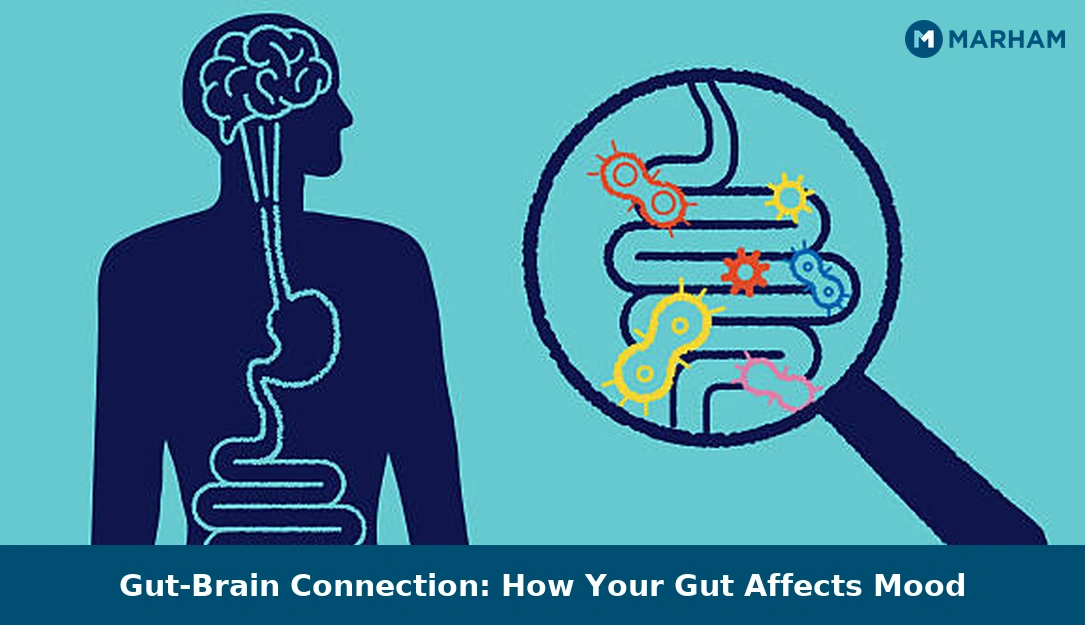
Most Pakistanis reach for Panadol when they have a headache, and antacids when the stomach acts up. Few stop to ask whether those two complaints might share the same root. The gut-brain connection, also called the gut-brain axis, is the two-way communication system linking your digestive tract to your central nervous system. What happens in your gut genuinely shapes how you think, feel, and cope with stress.
A 2024 study from researchers at Shifa Tameer-e-Millat University and Foundation University Medical College in Islamabad found a measurable association between gut health and cognitive performance in Pakistani adults, adding local evidence to a body of research that has been growing globally for over a decade. The link is not metaphorical. It runs through real nerves, real hormones, and trillions of living bacteria.
Understanding this connection matters for anyone dealing with unexplained anxiety, low mood, persistent bloating, or brain fog. The desi diet, with its rich mix of dal, dahi, sabzi, and whole grains, is actually well-positioned to support a healthy gut-brain axis. The problem is knowing what to keep, what to cut, and when the symptoms are serious enough to see a doctor.
آنت اور دماغ کا تعلق
آنت اور دماغ کا رشتہ محض ایک استعارہ نہیں بلکہ ایک حقیقی اور سائنسی طور پر ثابت شدہ نظام ہے۔ ہماری آنت میں کروڑوں اعصابی خلیات موجود ہیں جو دماغ کے ساتھ مسلسل پیغام رسانی کرتے ہیں۔ سیروٹونن جیسے کیمیکل جو موڈ کو قابو کرتے ہیں، زیادہ تر آنت میں بنتے ہیں، دماغ میں نہیں۔ اگر آنت کی صحت خراب ہو تو موڈ، نیند اور سوچنے کی صلاحیت پر بھی اثر پڑتا ہے۔ اپنی آنت کا خیال رکھنا دراصل اپنے دماغ کا خیال رکھنا ہے۔
What Is the Gut-Brain Axis?
The gut-brain axis is a bidirectional communication network that links the gastrointestinal tract and the central nervous system through neural, hormonal, and immune pathways, according to a review published in Nutrients (PMC, 2025). In plain terms: your gut sends signals to your brain, and your brain sends signals back. Neither one runs the show alone.
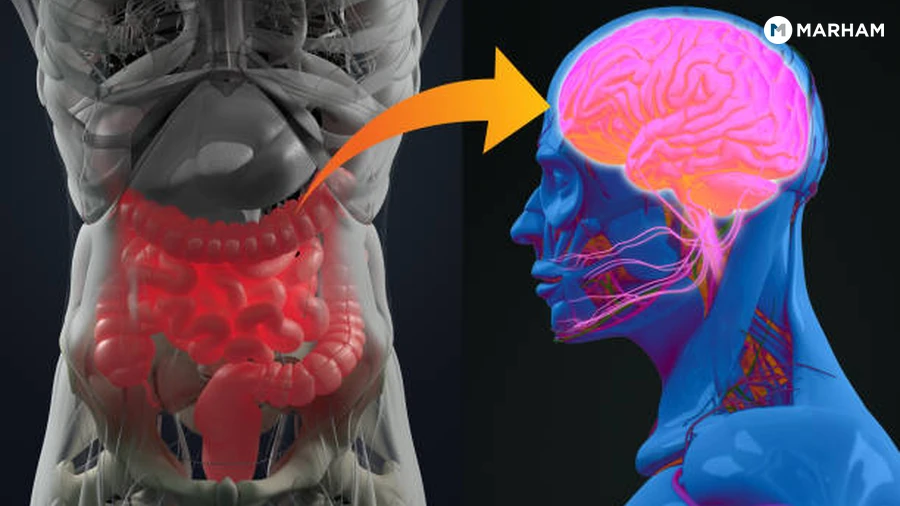
The main physical highway is the vagus nerve, a long nerve that runs from your brainstem down to your colon. It carries information in both directions. When your stomach is unsettled before an exam or a job interview, that’s the vagus nerve at work. When chronic anxiety gives you irritable bowel symptoms, that’s also the vagus nerve, running the other direction.
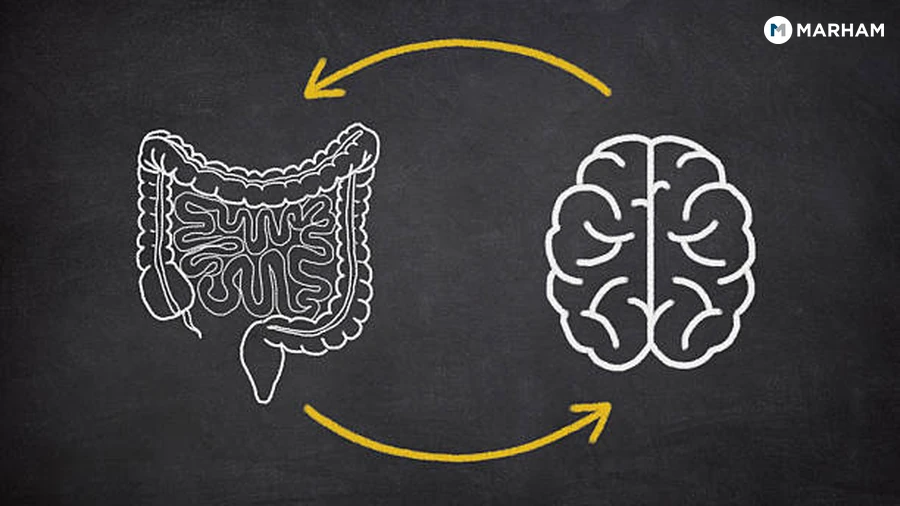
The chemical side of this conversation involves neurotransmitters. Serotonin, the molecule most associated with mood stability, is produced predominantly in the gut, not in the brain. Harvard Medical School researchers note that the vast majority of the body’s serotonin is made in the digestive tract, and that gut inflammation can alter its production and disrupt mood. Dopamine, which drives motivation and a sense of reward, also has significant gut-based production pathways.
How Gut Bacteria Shape Your Mental Health
Your gut microbiome is the ecosystem of trillions of bacteria, viruses, and fungi living in your intestines. A healthy microbiome is diverse. Dysbiosis, an imbalance where harmful bacteria outnumber beneficial ones, has been linked in multiple studies to anxiety, depression, and cognitive difficulties.
These bacteria influence the brain through several routes:
- Short-chain fatty acids (SCFAs): Produced when gut bacteria ferment dietary fibre, SCFAs reduce inflammation and can cross into the bloodstream to affect brain function, per research published in Nutrients (PMC, 2025).
- Neurotransmitter production: Gut bacteria help synthesise serotonin, GABA (a calming brain chemical), and other signalling molecules.
- Immune regulation: Around 70% of the immune system is housed in the gut lining. Chronic gut inflammation sends inflammatory signals to the brain, which are associated with depressive symptoms.
- HPA axis modulation: The gut microbiome influences the hypothalamic-pituitary-adrenal (HPA) axis, the body’s central stress-response system.
A 2018 review in Integrative Medicine: A Clinician’s Journal (PMC, 2018) described the gut-brain axis as extending beyond anatomy to include endocrine, metabolic, and immune communication routes. The practical implication: an unhealthy gut is rarely just a digestive problem.
How Stress Disrupts the Gut, and Vice Versa
Stress and the gut have a circular relationship. Stress changes the composition of gut bacteria, reduces the protective mucus lining of the intestinal wall, and slows or speeds digestion depending on the type of stress. In Pakistan, where financial pressure, urban traffic, and extended family dynamics create sustained background stress, this loop is particularly relevant.
The Journal of Pakistan Psychiatric Society has noted that nutrition is a frequently overlooked component of mental health management, and that the gut-brain axis is central to understanding why diet matters for mood and cognition. Patients in Lahore and Karachi presenting with irritable bowel syndrome (IBS) often also report anxiety or low mood, a pattern that gastroenterologists here see regularly.
Ramadan offers an interesting natural experiment. The shift to two large meals, longer fasting periods, and changed sleep patterns temporarily alters the gut microbiome. Some people feel mentally clearer mid-Ramadan; others notice more irritability or digestive discomfort. Both responses are consistent with what we know about how meal timing and fibre intake affect the gut-brain axis.
Pakistani Foods That Support the Gut-Brain Axis
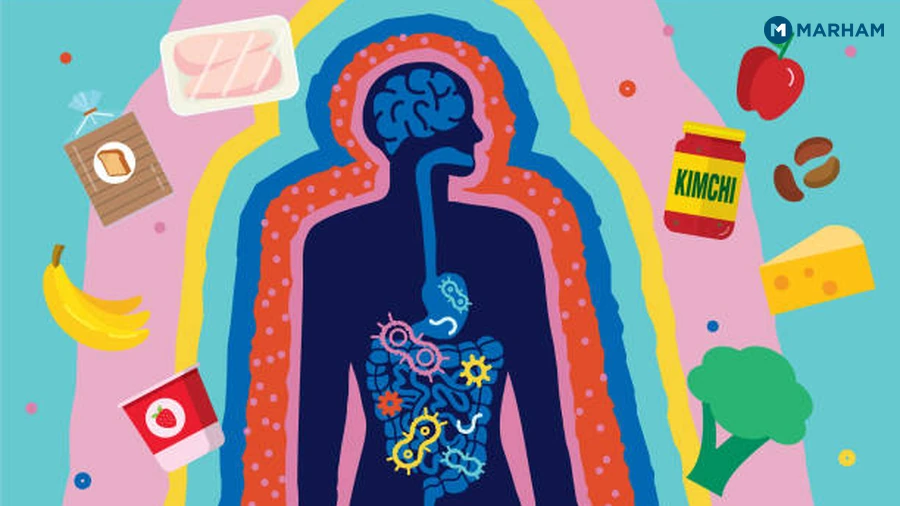
The good news is that many traditional Pakistani foods are genuinely supportive of a healthy gut microbiome. The challenge is that modern urban eating habits, heavy in refined flour, fried snacks, and sugary drinks, tend to undermine it.
| Food | Benefit for Gut-Brain Axis | Practical Pakistani Use |
|---|---|---|
| Dahi (plain yogurt) | Natural probiotic; introduces beneficial Lactobacillus strains | Eat with every meal; choose fresh, unsweetened dahi from local dairies |
| Dal (lentils) | High in prebiotic fibre; feeds beneficial gut bacteria | Masoor or moong dal daily; avoid over-cooking to retain fibre |
| Sabzi (leafy greens) | Polyphenols reduce gut inflammation | Saag, palak, methi available year-round in Lahore and Karachi markets |
| Whole wheat roti | Fibre-rich; supports SCFAs production | Prefer chakki atta over maida-based roti |
| Adrak (ginger) | Anti-inflammatory; supports gut motility | Add fresh ginger to chai or sabzi rather than dried powder |
| Ajwain (carom seeds) | Traditional digestive aid; may reduce bloating | A pinch in daal or with warm water after heavy meals |
| Walnuts (akhrot) | Omega-3 fatty acids support both gut microbiome diversity and brain health | A small handful daily; widely available at Rs. 1,200 to 1,800 per kg |
Foods that tend to harm the gut-brain axis in the Pakistani diet include excess maida (refined flour in naan, biscuits, and fried snacks), high-sugar beverages like packaged juices and sweetened chai, and frequent antibiotic use without medical supervision, which wipes out beneficial bacteria.
How to Improve Your Gut-Brain Health: A Practical Guide
- Add dahi to at least one meal daily. Fresh, unsweetened dahi from a local dairy is a natural probiotic. Packaged flavoured yogurt contains added sugar that feeds harmful bacteria, so skip it.
- Switch from maida to chakki atta for roti. Whole wheat flour contains fibre that feeds beneficial gut bacteria and promotes SCFA production. Most atta chakki shops in Pakistani cities sell freshly ground whole wheat.
- Eat dal at least four times a week. Masoor, moong, and chana dal are among the best prebiotic foods in the desi diet. Avoid pressure-cooking them to mush; some texture means the fibre is intact.
- Manage stress actively. A 20-minute walk after Maghrib, regular namaz (which involves structured breathing and physical movement), or even 10 minutes of quiet reading can reduce cortisol levels that harm the gut lining.
- Limit packaged snacks and sugary drinks. Biscuits, chips, and bottled juices are among the biggest drivers of dysbiosis in urban Pakistani diets. Replace an afternoon snack with a handful of akhrot or a small bowl of dahi.
- Be cautious with antibiotics. In Pakistan, antibiotics are often bought over the counter without a prescription. A single course can significantly disrupt the gut microbiome for weeks. Only use them when a doctor prescribes them.
- Prioritise consistent sleep. The gut microbiome follows a circadian rhythm. Irregular sleep patterns, common in Pakistani households with late-night family gatherings, disrupt bacterial balance and, through the gut-brain axis, affect mood the next day.
Signs Your Gut-Brain Axis May Be Struggling
Not every gut or mood symptom points to a gut-brain axis problem, but certain patterns are worth paying attention to:
- Persistent bloating or stomach cramps alongside low mood or anxiety
- Irritable bowel symptoms that worsen during stressful periods
- Brain fog or difficulty concentrating, especially after eating certain foods
- Frequent loose stools or constipation with no clear dietary cause
- Skin flare-ups (acne, eczema) combined with digestive complaints
These patterns don’t confirm a diagnosis on their own. A proper clinical evaluation is needed to rule out other causes.
When to See a Specialist
If you’ve been experiencing a combination of digestive symptoms and mood changes for more than two to three weeks, it’s worth speaking to a professional rather than self-managing. A nutritionist in Pakistan can assess your diet and help you make targeted changes to support gut health. If the mood symptoms are prominent, a psychiatrist in Pakistan can evaluate whether what you’re experiencing goes beyond diet and requires structured mental health support. The two often work together. Financial stress, in particular, is known to trigger both gut symptoms and mood changes, a connection explored in more depth in this piece on financial stress and physical pain.
Speak to a Specialist on Marham
Many Pakistanis sit with gut discomfort and low mood for months before seeking help, partly because they don’t connect the two. If your stomach and your mental state both feel off, that’s not a coincidence worth ignoring. Marham connects you with verified nutritionists in Pakistan who can review your diet, identify patterns that may be disrupting your gut microbiome, and give you a practical, desi-diet-compatible plan.
A short online consultation typically takes 15 to 20 minutes. You don’t need to travel to a clinic or wait for a referral. If your symptoms suggest something beyond nutrition, the nutritionist can coordinate with a gastroenterologist or psychiatrist through the same platform.
Frequently Asked Questions
Can gut problems cause anxiety and depression?
Yes, research suggests they can contribute to both. An imbalanced gut microbiome can disrupt serotonin production and trigger inflammatory signals that affect mood. This doesn’t mean gut problems are the sole cause, but they are a recognised factor worth addressing.
What is the vagus nerve and why does it matter for gut health?
The vagus nerve is the main physical link between the brain and the gut, running from the brainstem to the colon. It carries signals in both directions, which is why stress can cause stomach upset and why gut inflammation can affect mood and mental clarity.
Can probiotics improve mood?
Some studies suggest certain probiotic strains may modestly reduce symptoms of anxiety and depression, though research is still developing. Eating fresh dahi daily is a practical, low-risk way to support your gut microbiome without relying on supplements.
How does stress affect gut health?
Stress alters the composition of gut bacteria, reduces the protective gut lining, and can speed up or slow down digestion. Chronic stress, common in busy Pakistani cities, can shift the microbiome toward dysbiosis over time, which then feeds back into worsening mood.
Is dahi (yogurt) good for the gut-brain connection?
Yes. Plain, unsweetened dahi contains live Lactobacillus cultures that support a healthy gut microbiome. Choose fresh dahi from a local dairy over packaged flavoured varieties, which typically contain sugar that counteracts the benefit.
What foods harm the gut-brain axis?
Refined flour (maida), high-sugar foods and drinks, heavily processed snacks, and unnecessary antibiotics are the main culprits in the Pakistani diet. Reducing these consistently matters more than adding any single superfood.
When should I see a doctor about gut and mood symptoms together?
See a doctor if symptoms last more than two to three weeks, significantly affect daily life, or include severe depression, persistent pain, or blood in the stool. A nutritionist or gastroenterologist can help identify whether diet is the primary driver.
Conclusion
The gut-brain connection is one of the most practical pieces of biology a Pakistani reader can know. Your daily roti, dal, and dahi are not just food choices; they are inputs into a system that shapes your mood, your focus, and your resilience to stress. Eating more whole foods, managing stress, and being cautious with antibiotics are small shifts that add up. When symptoms persist despite these changes, a nutritionist or psychiatrist can help you go further with a plan built around your actual life.


