


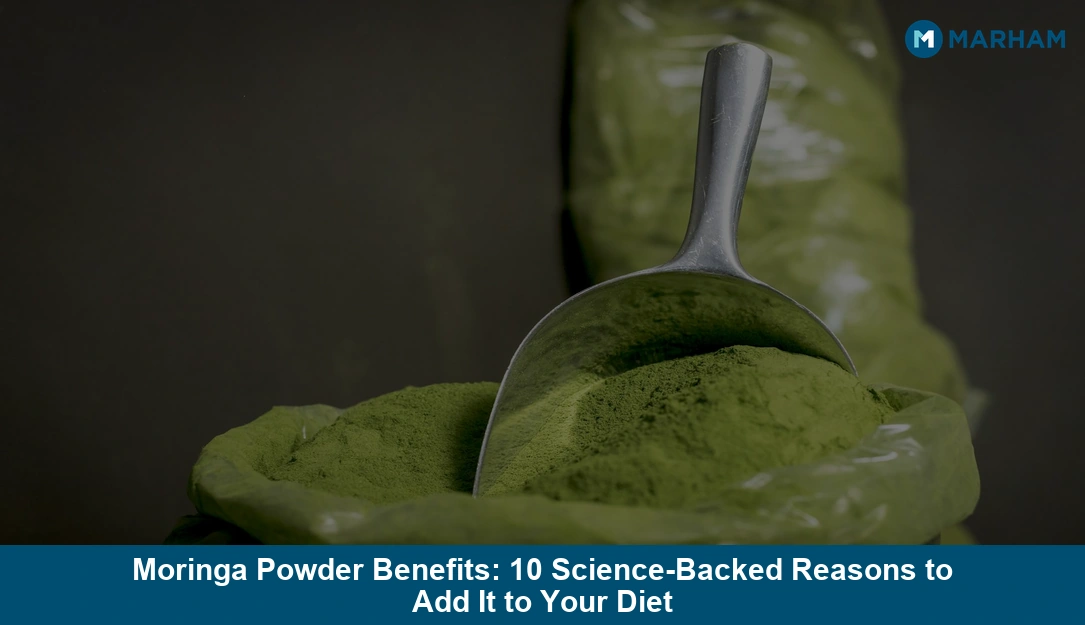
Moringa oleifera — known as sohanjna in Pakistan — has been used in desi kitchens and traditional medicine for centuries. But the recent global explosion of interest in moringa powder benefits is not based on folklore alone. Modern science has validated many of its traditional claims, revealing a nutrient profile so dense that researchers call it the ‘miracle tree.’ From fighting inflammation to stabilising blood sugar, moringa powder offers measurable health advantages that make it one of the most practical superfoods available in Pakistan. This article breaks down 10 evidence-backed benefits, the right dosage, and who should be cautious.
The journal Phytotherapy Research notes that Moringa oleifera leaves contain over 90 nutrients, 46 antioxidants, and all 9 essential amino acids — making it one of the most nutrient-dense plants ever studied [Source: Phytotherapy Research, 2023].
What Is Moringa Powder?
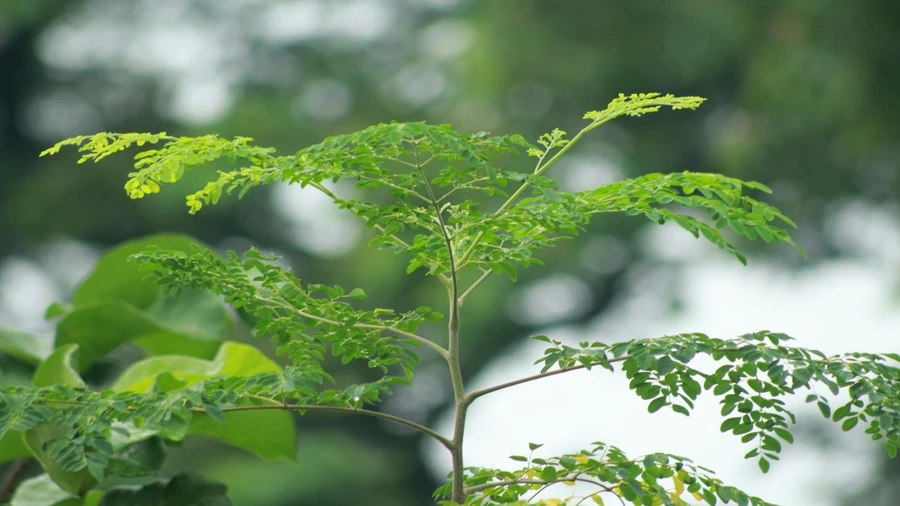
Moringa powder is made by drying and grinding the leaves of the Moringa oleifera tree. The tree grows abundantly in Pakistan’s Punjab and Sindh regions. The leaves are harvested, shade-dried to preserve nutrients, and ground into a fine green powder that can be added to smoothies, teas, soups, and even roti dough.
Unlike synthetic supplements, moringa powder provides nutrients in their natural, bioavailable form — meaning your body absorbs and uses them more efficiently.
Nutritional Profile of Moringa Powder (Per 10g / 1 Tablespoon)
- Calories: 29
- Protein: 2.5g
- Fibre: 2g
- Iron: 28% of daily value
- Calcium: 24% of daily value
- Vitamin A: 18% of daily value
- Vitamin C: 12% of daily value
- Potassium: 9% of daily value
- Magnesium: 8% of daily value
Gram for gram, moringa powder contains 7 times the vitamin C of oranges, 4 times the calcium of milk, 4 times the vitamin A of carrots, 3 times the potassium of bananas, and 2 times the protein of yogurt [Source: African Journal of Food Science, 2022].
10 Science-Backed Moringa Powder Benefits
1. Powerful Antioxidant Protection
Moringa leaves are rich in quercetin, chlorogenic acid, and beta-carotene — antioxidants that neutralise free radicals and reduce oxidative stress. A study in the Journal of Food Science and Technology found that moringa leaf extract reduced oxidative markers by up to 44% in human subjects [Source: Journal of Food Science and Technology, 2021].
2. Reduces Inflammation
Chronic inflammation underlies heart disease, diabetes, arthritis, and cancer. Moringa’s isothiocyanates have potent anti-inflammatory effects comparable to some pharmaceutical anti-inflammatories — without the side effects of long-term drug use.
3. Lowers Blood Sugar Levels
Several clinical trials show that moringa powder reduces fasting blood sugar by 13–28% in people with type 2 diabetes. The chlorogenic acid in moringa improves insulin sensitivity and slows sugar absorption after meals [Source: Journal of Diabetes, 2022].
4. Lowers Cholesterol
Moringa has been shown to reduce LDL (bad) cholesterol and increase HDL (good) cholesterol. A meta-analysis in the Journal of Ethnopharmacology found significant lipid-lowering effects across multiple human studies [Source: Journal of Ethnopharmacology, 2023].
5. Supports Heart Health
By reducing oxidative stress, inflammation, cholesterol, and blood sugar, moringa addresses multiple cardiovascular risk factors simultaneously. Its high potassium content also supports healthy blood pressure.
6. Boosts Iron Levels and Fights Anaemia
Anaemia affects an estimated 40% of Pakistani women. Moringa powder is exceptionally rich in non-heme iron and vitamin C (which enhances iron absorption). Regular use can significantly improve haemoglobin levels, making it especially valuable for women and growing children.
7. Enhances Brain Health and Focus
Moringa’s antioxidants protect brain cells from oxidative damage. Early research suggests it may support memory and cognitive function by modulating neurotransmitters like serotonin and dopamine.

8. Supports Digestive Health
The high fibre content of moringa powder promotes regular bowel movements and feeds beneficial gut bacteria. Its anti-inflammatory properties also soothe digestive tract irritation.
9. Improves Skin and Hair
Vitamin A, vitamin E, and zinc in moringa support collagen production, skin repair, and hair growth. Many traditional Pakistani households use moringa-infused oil for hair strengthening.
10. Strengthens Immunity
The combination of vitamins A, C, and E — along with zinc and iron — makes moringa a comprehensive immune booster. This is particularly valuable during seasonal illness spikes in Pakistan.
How to Use Moringa Powder
- Mix 1 teaspoon into a morning smoothie or lassi
- Stir into warm (not boiling) water with lemon and honey as a tea
- Sprinkle on soups, daal, or salads
- Knead into chapati or paratha dough
- Add to scrambled eggs or omelette batter
Start with half a teaspoon per day and gradually increase to 1–2 teaspoons. Moringa has a mild, earthy, slightly bitter taste that blends well with most foods.
Who Should Be Cautious
- Pregnant women: moringa bark and root extracts may cause uterine contractions. Leaf powder in food amounts is generally considered safe, but consult your doctor
- People on blood-thinning medications: moringa may enhance their effect
- People on diabetes medications: moringa can lower blood sugar further, risking hypoglycaemia. Monitor closely
- People on thyroid medication: moringa may affect thyroid function
If you take any prescription medication, consult your doctor on Marham before adding moringa powder to your daily routine.

How to Choose Quality Moringa Powder
- Choose shade-dried moringa powder — sun-drying destroys heat-sensitive vitamins
- The colour should be vibrant green, not brown or yellow
- Buy from a trusted source — look for lab-tested or organic certification
- Store in an airtight container away from sunlight and moisture
- Locally grown Pakistani moringa from Punjab and Sindh is excellent quality
Frequently Asked Questions
Can I take moringa powder every day?
Yes. 1–2 teaspoons daily is safe for most adults. Consistency is key — the benefits accumulate over weeks of regular use.
Is moringa better than a multivitamin?
Moringa provides nutrients in their natural, food-based form, which the body absorbs more efficiently than synthetic vitamins. For most healthy adults, moringa plus a balanced diet can replace a basic multivitamin. However, specific deficiencies may still need targeted supplements.
Does moringa help with weight loss?
Moringa supports weight management indirectly — by reducing inflammation, stabilising blood sugar, and improving metabolism. It is not a fat-burner, but it creates the metabolic conditions that make weight loss easier.
Can children take moringa powder?
Yes, in smaller amounts (quarter to half a teaspoon for children over 2). Moringa is an excellent way to boost iron and vitamin A intake in Pakistani children, where deficiencies are common. Consult a paediatrician for age-specific guidance.
A Superfood Growing in Your Backyard
Moringa powder is not an exotic import — it is a Pakistani superfood that grows abundantly across the country. Its benefits are backed by real science, not just tradition. Whether you are fighting anaemia, managing blood sugar, or simply want better nutrition, moringa is one of the easiest, cheapest additions to your daily diet. For personalised guidance — especially if you have a chronic condition — consult a nutritionist or your doctor on Marham.


