


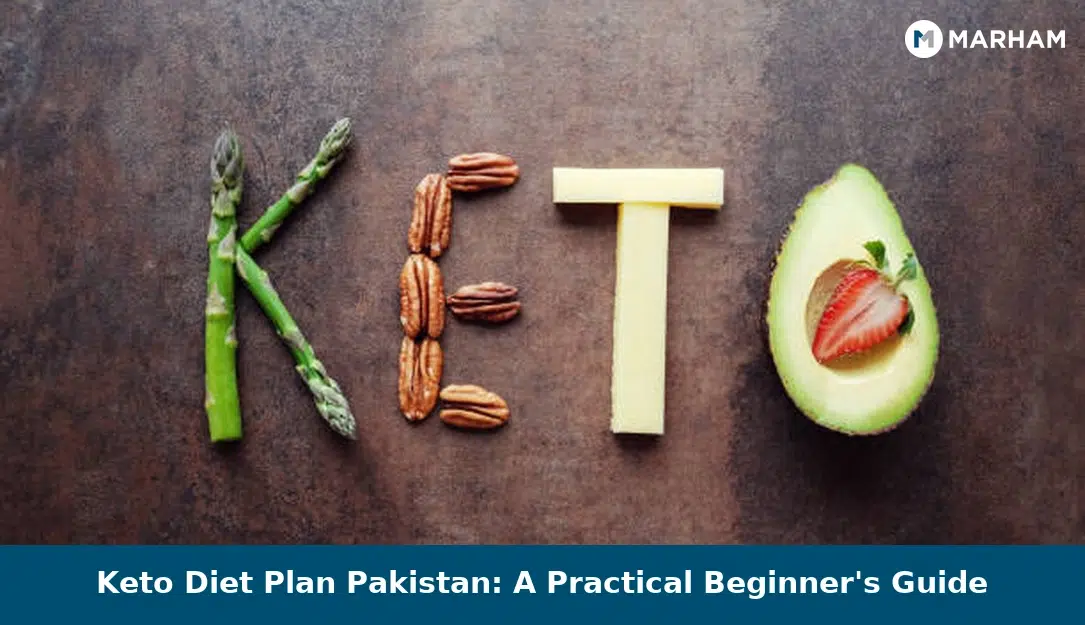

Weight loss conversations in Pakistan almost always circle back to one word: keto. Walk into any gym in Lahore or Karachi and you’ll hear it. Scroll through any WhatsApp health group and someone is asking about it. The keto diet plan has become one of the most searched diet approaches in Pakistan over the past few years, and for understandable reasons.
The challenge is that most guides online are written for Western readers. They mention avocados, bacon, and Greek yogurt without acknowledging that the average Pakistani household runs on roti, chawal, daal, and chai. Adapting keto to a desi kitchen requires a different kind of thinking.
This guide covers how the keto diet actually works, which Pakistani foods fit into it, what a realistic sample day looks like, and the side effects you should know before you start.
کیٹو ڈائیٹ پلان: اہم نکات
کیٹو ڈائیٹ ایک ایسا کھانے کا طریقہ ہے جس میں کاربوہائیڈریٹس بہت کم کر دیے جاتے ہیں اور چکنائی زیادہ لی جاتی ہے، جس سے جسم چربی کو توانائی کے طور پر جلانے لگتا ہے۔ پاکستانی کھانوں میں روٹی، چاول اور دال جیسی چیزیں کاربوہائیڈریٹس سے بھرپور ہوتی ہیں، اس لیے کیٹو پر ان سے پرہیز ضروری ہے۔ انڈے، گوشت، مکھن، گھی، پنیر، اور کم نشاستہ والی سبزیاں جیسے پالک اور بند گوبھی کیٹو کے لیے موزوں ہیں۔ شروع میں کچھ لوگوں کو تھکاوٹ یا سر درد ہو سکتا ہے جسے “کیٹو فلو” کہتے ہیں۔ کوئی بھی نئی ڈائیٹ شروع کرنے سے پہلے ڈاکٹر یا ماہر غذائیت سے مشورہ لینا ضروری ہے۔
What Is the Keto Diet and How Does It Work?
The keto diet is a high-fat, very low-carbohydrate eating pattern that shifts your body’s primary fuel source from glucose to fat. When carbohydrate intake drops low enough, the liver converts fat into molecules called ketones, which the brain and body use for energy. This metabolic state is called ketosis.
According to published clinical guidelines, a standard ketogenic diet targets roughly 70 to 75% of daily calories from fat, 20 to 25% from protein, and only 5 to 10% from carbohydrates. In practical terms, that means keeping total daily carbs to around 20 to 50 grams, which is less than one medium-sized roti (a single chapati contains approximately 25 to 30 grams of carbohydrates).
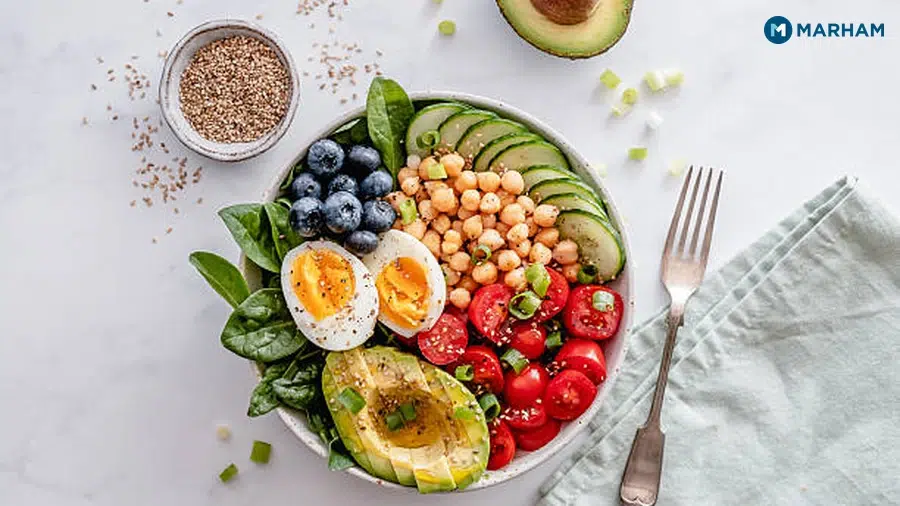
Ketosis typically takes 2 to 4 days to begin if carbs are kept consistently low, though this varies from person to person depending on activity level and individual metabolism.
Keto Diet Foods: What Pakistanis Can Actually Eat
The good news for Pakistani households is that many everyday proteins and fats are naturally keto-friendly. The hard part is letting go of the grains and lentils that form the backbone of most desi meals.
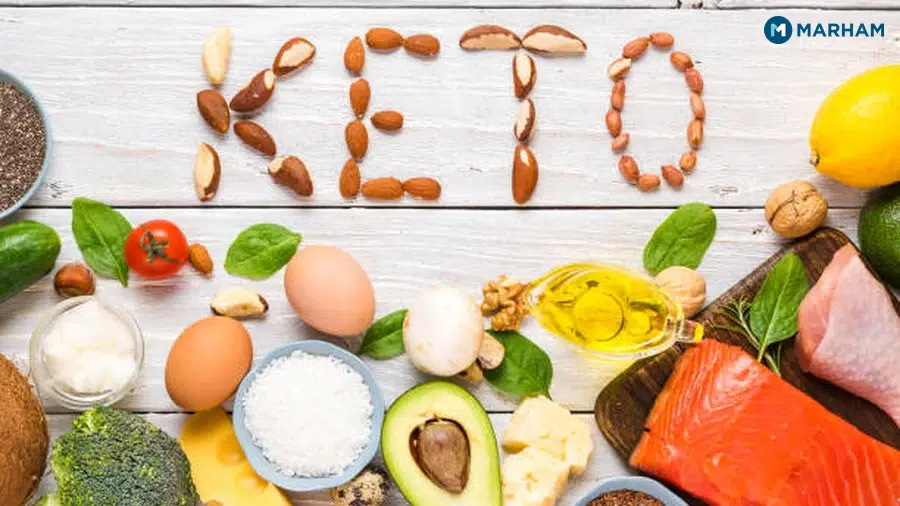
Foods that fit a keto diet plan in Pakistan:
- Eggs (anday): one of the most affordable and versatile keto foods; a dozen costs around Rs 300 to 350 in most city markets
- Chicken, mutton, and beef: all meats are low in carbs; seekh kebabs, karahi, and nihari without the naan work well
- Full-fat dairy: dahi (yogurt), paneer, and cream; choose plain, unsweetened versions
- Ghee and cooking oils: ghee, olive oil, and coconut oil are all keto-appropriate fats
- Low-carb vegetables: spinach (palak), cauliflower (phool gobi), cabbage (band gobi), bottle gourd (lauki), and bitter gourd (karela)
- Nuts and seeds: almonds, walnuts, and pumpkin seeds make good snacks; buy loose from any kiryana store
- Green tea and black chai without sugar: both are zero-carb drink options
Foods to avoid on keto:
- Roti, naan, paratha, and all wheat-based breads
- White rice and brown rice
- Daal (lentils) and chana (chickpeas): high in carbs despite being high in protein
- Potatoes and sweet potatoes (aloo)
- Sugary drinks, packaged juices, and mithai
- Most fruits: mangoes, bananas, and grapes are especially high in sugar
The single most common mistake Pakistani keto beginners make is keeping daal in their diet because it feels healthy. Masoor daal has roughly 20 grams of carbohydrates per 100 grams cooked, which can push you out of ketosis in one meal.
Sample Keto Diet Plan for Pakistan: One Day
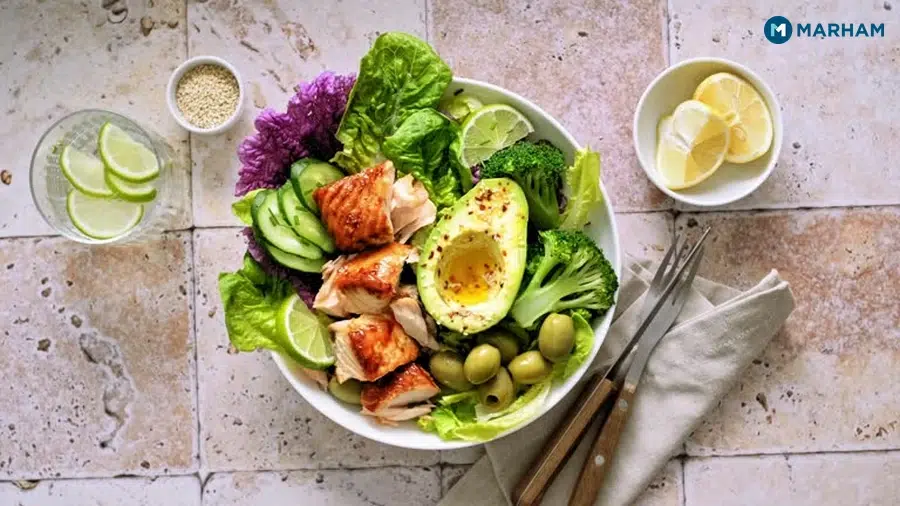
This sample plan uses foods available in any Pakistani city and keeps carbs under 30 grams for the day.
| Meal | What to Eat | Approx. Carbs |
|---|---|---|
| Breakfast | 3 eggs fried in ghee with palak and 2 tbsp cream | 3 to 4g |
| Lunch | Chicken karahi (no roti) with a side of sautéed band gobi | 6 to 8g |
| Snack | A small handful of almonds (20 to 25 pieces) | 4 to 5g |
| Dinner | Mutton qeema with lauki, cooked in ghee and spices | 8 to 10g |
| Drinks | Black chai without sugar, water with a pinch of pink salt | 0g |
Total estimated carbs: 21 to 27 grams. Pakistani spices like zeera, dhania, haldi, and adrak add flavour without meaningfully affecting carb counts, so use them freely.
How to Start a Keto Diet Plan in Pakistan: Step by Step
- Clear your pantry first. Remove or set aside atta, rice, sugar, and packaged biscuits. If they’re in the house, they’ll be eaten.
- Stock up on eggs and meat. These are the easiest proteins to build keto meals around in Pakistan. Aim for 3 to 4 eggs a day in the first week.
- Replace roti with a vegetable side. Serve karahi or qeema with phool gobi or palak instead of bread. The meal still tastes familiar.
- Add a pinch of pink salt to your water. When carbs drop, the kidneys excrete more sodium. A small amount of salt in water helps maintain electrolyte balance and reduces early fatigue.
- Buy almonds and walnuts in bulk from your local kiryana store. In Lahore or Karachi, 250 grams of mixed nuts costs around Rs 500 to 700 and covers several days of snacking without breaking ketosis.
- Track your carbs for the first two weeks. You don’t need an app; a simple paper list works. The goal is to stay under 30 grams of net carbs daily until your body adapts.
- Give it at least 3 to 4 weeks before judging results. The first week often involves water weight loss and some fatigue. Real fat loss typically becomes visible by week three.
Keto Diet Side Effects and Who Should Avoid It
Keto is not without drawbacks, and Pakistani beginners often aren’t warned about them.
The most common early side effect is what practitioners call “keto flu,” a cluster of symptoms including headache, fatigue, mild nausea, and irritability that can appear in the first 3 to 5 days. It happens because the body is adjusting to lower blood sugar and losing electrolytes faster than usual. Drinking more water and adding a small amount of salt usually helps. Most people find these symptoms ease within a week.
Longer-term concerns include constipation (because fibre intake often drops when grains are removed) and potential cholesterol changes. A 2020 review published in the journal Nutrients noted that while keto can improve triglycerides and HDL cholesterol in many people, LDL cholesterol may rise in some individuals, which warrants monitoring.
Who should not start keto without medical supervision:
- People with kidney disease or a history of kidney stones
- People with type 1 diabetes or those on insulin (risk of hypoglycaemia)
- Pregnant or breastfeeding women
- People with a history of pancreatitis or liver disease
- Anyone currently on medication for blood sugar or blood pressure, as keto can alter how these medications work
If any of these apply to you, speak to a doctor before changing your diet. This isn’t a formality; it’s genuinely important for safety.
Keto vs. Regular Low-Calorie Diet: Key Differences
| Factor | Keto Diet | Regular Low-Calorie Diet |
|---|---|---|
| Main fuel source | Fat (ketones) | Glucose (carbs) |
| Carb limit | 20 to 50g per day | No fixed limit |
| Hunger level | Often lower (fat is satiating) | Variable |
| Speed of initial weight loss | Faster (includes water weight) | Slower but steadier |
| Sustainability long-term | Harder for most Pakistani diets | Easier to maintain |
| Medical supervision needed | Recommended, especially for diabetics | Less critical for healthy adults |
For most Pakistani households, a regular diet plan for weight loss that moderates portions of roti and rice may be more sustainable long-term than strict keto. Keto tends to work best for people who have a clear short-term goal and the discipline to track their food carefully.
Get Dietary Guidance from a Nutritionist on Marham
Starting a keto diet without professional input is manageable for healthy adults, but it becomes genuinely risky if you have an underlying condition like diabetes or hypertension. The macronutrient shifts involved in keto can affect blood sugar, blood pressure, and kidney function in ways that are hard to monitor on your own.
Marham connects Pakistani patients with verified nutritionists in Pakistan who can review your health history and build a meal plan that fits your actual kitchen, your budget, and your goals. A short online consultation typically takes 15 to 20 minutes and can save you weeks of trial and error, or help you avoid a side effect that sends you back to square one.
Frequently Asked Questions
Is the keto diet safe for Pakistanis?
Keto is generally safe for healthy adults in Pakistan, but it requires careful planning. The bigger challenge is that desi diets are grain-heavy, so the transition can feel difficult socially and practically. People with kidney disease, type 1 diabetes, or who are pregnant should not start keto without a doctor’s approval.
What can I eat on keto in Pakistan instead of roti?
The most practical swaps are phool gobi (cauliflower), which can be mashed or used as a rice substitute, and egg-based dishes that fill the same role as bread at a meal. Palak cooked in ghee, qeema with lauki, and chicken karahi without naan are all satisfying keto meals that use ordinary Pakistani ingredients.
How long does it take to enter ketosis?
Most people enter ketosis within 2 to 4 days of keeping carbs below 20 to 30 grams per day. Physical activity can speed this up slightly. You may notice reduced hunger, a mild change in breath, and increased thirst as early signs that ketosis has begun.
Can I do keto during Ramadan?
Keto and Ramadan fasting can be combined, but it needs careful planning. The long fasting window actually supports ketosis, but Iftar meals must avoid the usual high-carb foods like samosas, fruit chaat, and khajoor in large quantities. A nutritionist can help you build a keto-compatible Iftar diet plan that keeps you in ketosis without compromising nutrition during the fast.
What are the side effects of the keto diet?
The most common side effects in the first week are headache, fatigue, mild nausea, and irritability, collectively called keto flu. These usually resolve within 5 to 7 days. Longer-term, some people experience constipation (from lower fibre intake) and changes in cholesterol levels. Staying hydrated and eating enough green vegetables helps reduce these effects.
How much weight can I lose on keto in one month?
This varies widely and depends on your starting weight, how strictly you follow the plan, and your activity level. Initial weight loss in the first 1 to 2 weeks is often water weight rather than fat. After that, a realistic and healthy rate of fat loss is around 0.5 to 1 kilogram per week. Claims of dramatic losses beyond this in a short time are not typical and can reflect dehydration rather than real fat loss.
Who should avoid the keto diet?
People with kidney disease, a history of kidney stones, type 1 diabetes, liver disease, or pancreatitis should avoid keto or only follow it under close medical supervision. Pregnant and breastfeeding women should also avoid it. Anyone on medication for blood sugar or blood pressure should speak to their doctor first, as keto can change how those medications work.
Conclusion
The keto diet plan can work in a Pakistani context, but it takes real adjustment. Replacing roti and rice with eggs, meat, and low-carb vegetables is the core shift, and it’s harder socially than it sounds. The side effects in the first week are real but temporary. For most healthy adults, keto is safe to try for a defined period. If you have any existing health condition, a quick consultation with a nutritionist before you start is the most practical thing you can do.


