


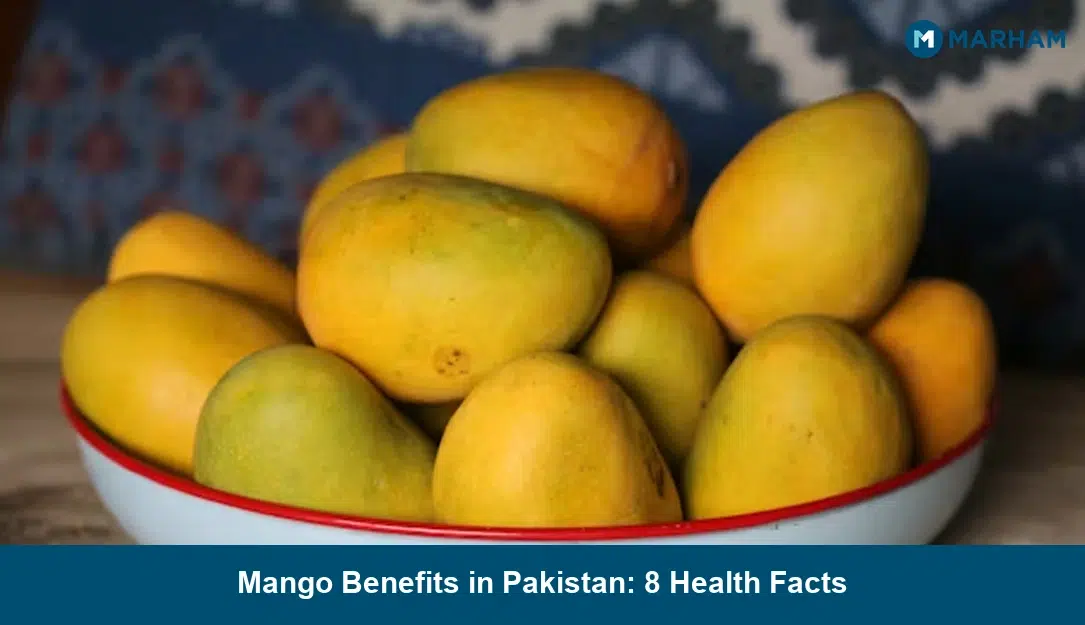

Every summer, fruit stalls across Lahore, Karachi, and Multan overflow with trays of Chaunsa, Sindhri, and Anwar Ratol. Pakistanis eat mango the way other cultures eat apples — daily, generously, and without much thought about why it is so good for the body. As it turns out, there are very good reasons.
Pakistan ranks among the world’s top mango-producing countries, with Multan and the broader Punjab belt responsible for much of the harvest. The fruit has been part of South Asian food culture for over 4,000 years, and modern nutritional research is now confirming what traditional medicine long suggested: mango is genuinely dense in nutrients that support several body systems at once.
Below you will find the key mango benefits backed by research, alongside practical guidance on how much to eat, who should be cautious, and when professional dietary advice makes sense.
آم کے فوائد: اہم نکات
آم پاکستان کا قومی پھل ہے اور گرمیوں میں ہر گھر میں استعمال ہوتا ہے۔ یہ وٹامن سی، وٹامن اے، فائبر اور طاقتور اینٹی آکسیڈنٹس سے بھرپور ہوتا ہے جو قوتِ مدافعت، ہاضمے اور دل کی صحت کے لیے مفید ہیں۔ آم میں موجود مینگیفیرین نامی مرکب سوزش کو کم کرتا ہے اور جگر کی حفاظت میں مدد دیتا ہے۔ تاہم ذیابیطس کے مریضوں کو آم اعتدال میں کھانا چاہیے کیونکہ اس میں قدرتی شکر کی مقدار زیادہ ہوتی ہے۔ روزانہ ایک کپ (تقریباً 165 گرام) آم کھانا صحت کے لیے محفوظ اور فائدہ مند ہے۔
Mango Nutrition Facts: What One Cup Actually Contains
Mango benefits start with a remarkably complete nutritional profile packed into very few calories. One cup (roughly 165 grams) of fresh mango provides fewer than 100 calories, around 67% of the daily value for vitamin C, meaningful amounts of vitamin A, folate, copper, and vitamin B6, plus 2.6 grams of dietary fibre.
Varieties like Chaunsa and Sindhri mangoes grown in Pakistan tend to have deep golden-orange flesh, which signals high beta-carotene content — a precursor to vitamin A. The fruit also contains a group of polyphenols, most notably mangiferin, that act as antioxidants in the body.
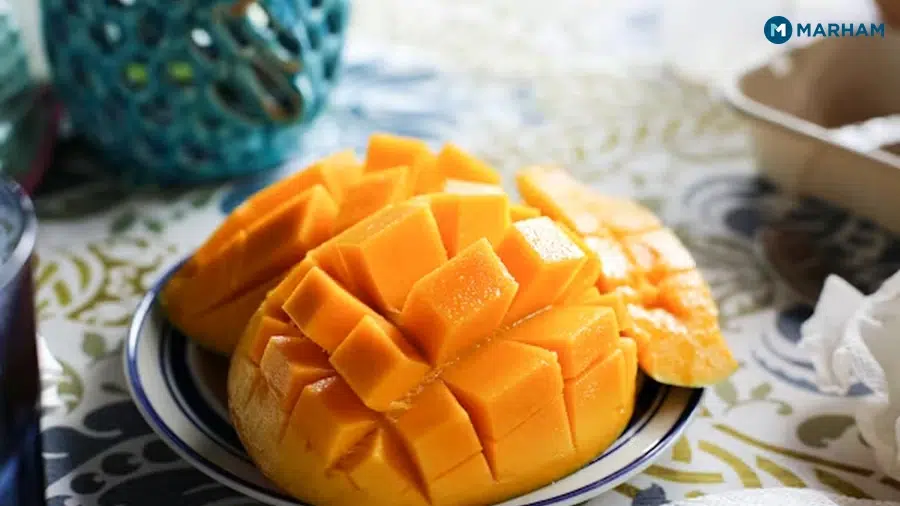
| Nutrient | Per 1 Cup (165g) | % Daily Value (approx.) |
|---|---|---|
| Calories | 99 kcal | 5% |
| Vitamin C | 60 mg | ~67% |
| Vitamin A | 89 mcg RAE | ~10% |
| Folate | 71 mcg | ~18% |
| Fibre | 2.6 g | ~9% |
| Potassium | 277 mg | ~6% |
| Copper | 0.2 mg | ~22% |
8 Evidence-Based Mango Benefits for Pakistani Health
Mango benefits span multiple body systems. Here is what the research says about each one.
1. Stronger Immune System
Mango is one of the richest fruit sources of vitamin C available in Pakistan during summer. Vitamin C stimulates the production of white blood cells, acts as an antioxidant that protects immune cells from damage, and helps the body fight off seasonal infections — a real concern during the dust storms and heat of a Lahore summer. Mangiferin, the fruit’s signature polyphenol, also activates the body’s defence cells directly, according to research published in nutritional biochemistry journals.
2. Better Digestive Health
Mango supports the gut in two ways. The dietary fibre it contains adds bulk to stools, easing constipation — a common complaint among Pakistanis who eat a low-fibre diet heavy in refined roti and rice. The fruit also contains amylase enzymes that help break down complex carbohydrates in the stomach, making digestion smoother overall. In traditional Pakistani medicine, raw mango in the form of aam panna has long been used to settle stomach discomfort during Ramadan.
3. Heart Health Support
Mango contains potassium and magnesium, two minerals associated with lower blood pressure and a steadier pulse. The soluble fibre in mango may also help reduce LDL cholesterol — the type that contributes to arterial plaque. Early studies on mangiferin suggest it may reduce inflammation in cardiac tissue, though larger human trials are still needed. For Pakistani adults managing hypertension, adding mango to a balanced diet alongside reduced salt intake is a sensible dietary step.
4. Eye Health
Mango is rich in beta-carotene, lutein, and zeaxanthin — carotenoids that protect the retina from oxidative damage caused by UV exposure. Vitamin A from mango helps prevent dry eyes and night blindness, both of which are more common in populations with dietary deficiencies. In Pakistan, where vitamin A deficiency still affects children in some rural areas, including mango in seasonal diets is a practical, affordable solution.

5. Skin Health
Vitamins A and C in mango work together to support collagen production, which keeps skin firm and slows visible ageing. Vitamin C neutralises free radicals that accelerate skin damage — particularly relevant in Pakistan’s high-UV climate. Eating mango regularly during the season may help maintain skin elasticity from the inside out, without relying on supplements that are harder to absorb.
6. Antioxidant and Anti-Inflammatory Action
Mango contains over a dozen polyphenols, including mangiferin, quercetin, and gallic acid. These compounds reduce oxidative stress — a process linked to chronic diseases including certain cancers. Research published in the Pakistan Biomedical Journal has noted mango’s anti-inflammatory and anti-cancer potential in laboratory settings. Findings are promising, though they are not yet a basis for treating any disease on their own.
7. Weight Management
Despite its sweet taste, mango is relatively low in calories and high in fibre, which slows digestion and prolongs the feeling of fullness. One study found that mango consumption may help control hunger — useful for anyone trying to reduce snacking on high-calorie processed foods. A cup of mango as an afternoon snack is a far better choice than a packet of biscuits, particularly for people in Pakistani cities who tend to graze on refined carbohydrates.
8. Folate for Pregnancy
Mango is a good source of folate (vitamin B9), a nutrient that supports healthy cell division and helps prevent neural tube defects in early pregnancy. Nutritionists and gynaecologists in Pakistan routinely advise pregnant women to increase folate intake, and mango during its season is a natural, food-based way to contribute to that goal. Copper, also present in mango, supports healthy red blood cell formation.

How to Eat Mango Safely in Pakistan
Eating mango well is straightforward. These steps help you get the most benefit with the least risk:
- Stick to one cup (about 165 grams) per sitting. This keeps natural sugar intake manageable.
- Pair mango with a protein or fat. A small handful of nuts alongside mango slows sugar absorption.
- Choose fresh over canned. Canned or syrup-packed mango adds unnecessary sugar.
- Eat it as a snack, not a dessert after a full meal. This avoids stacking calories.
- For people with diabetes, eat mango early in the day. Blood sugar tolerance tends to be higher in the morning, and pairing with fibre-rich foods helps further.
- Wash the skin thoroughly before cutting, even if you plan to discard it, to avoid transferring surface residue to the flesh.
- Avoid eating the skin directly. Mango skin contains urushiol, the same compound found in poison ivy, which can trigger contact reactions in sensitive individuals.
Mango and Diabetes: What Pakistani Patients Should Know
Mango and diabetes is the question Pakistani nutritionists hear most during summer. The short answer is that mango can be included in a diabetic diet, but portion control is non-negotiable. Mango is high in natural sugars, and eating too much at one time can cause a blood sugar spike. Pairing mango with protein or fibre, limiting portions to half a cup, and monitoring blood glucose after eating are the standard recommendations. People managing diabetes in Pakistan should discuss their specific fruit allowance with a qualified nutritionist rather than applying a blanket rule.
Speak to a Nutritionist on Marham
Mango is a seasonal gift that most Pakistani families already enjoy — the question is how to make the most of it given your individual health profile. Someone managing blood pressure, diabetes, or a digestive condition may need a personalised plan rather than generic advice.
Marham makes it straightforward to connect with verified nutritionists in Pakistan through online consultations, so you can get specific guidance without travelling to a clinic. If you have concerns about weight, blood sugar, or digestive health that go beyond seasonal fruit choices, an endocrinologist in Pakistan on Marham can help with a more thorough evaluation.
Frequently Asked Questions
What are the benefits of eating mango daily?
Eating mango daily during the season can support immune function, improve digestion, and provide a meaningful dose of vitamin C, vitamin A, and folate. The key is keeping the portion to around one cup (165 grams) per day so natural sugar intake stays within a healthy range. Rotating mango with other seasonal fruits gives a broader range of nutrients overall.
Is mango good for diabetes patients in Pakistan?
Mango can be part of a diabetic diet in controlled portions — typically half a cup per sitting. It is high in natural sugars, so eating large amounts can raise blood glucose. Pairing mango with a source of protein or fibre, eating it earlier in the day, and monitoring blood sugar response are the practical steps most nutritionists recommend for Pakistani patients managing diabetes.
Is mango good for skin?
Yes, mango supports skin health from the inside. Vitamins A and C in mango help produce collagen, which keeps skin firm, while antioxidants neutralise free radicals that accelerate skin ageing. In Pakistan’s high-UV environment, getting these nutrients through whole food rather than supplements is generally more effective and better absorbed by the body.
How many mangoes should I eat per day?
One cup of sliced mango — roughly 165 grams — is a sensible daily amount for most healthy adults. That is typically half a medium-sized Pakistani mango like a Sindhri or a full Anwar Ratol. People with diabetes, weight concerns, or digestive conditions may need a smaller portion; a nutritionist can advise based on individual needs.
Is mango good for weight loss?
Mango can support weight management when eaten in controlled portions. It is relatively low in calories and high in fibre, which promotes satiety and reduces the urge to snack on high-calorie foods. The fibre also slows sugar absorption, preventing the energy crash that follows refined snacks. Eating more than one to two cups a day, however, adds significant natural sugar that can work against weight-loss goals.
Conclusion
Mango is one of the few foods that genuinely earns its reputation. The fruit delivers vitamin C, vitamin A, folate, fibre, and a range of polyphenols in a low-calorie package that is also deeply woven into Pakistani food culture. Eating it in season — one cup a day, fresh, paired with a balanced meal — is a straightforward way to support immunity, digestion, heart health, and skin from the inside out. Moderation matters most for people managing blood sugar or weight, but for the majority of Pakistani adults and children, summer without mango is simply an opportunity missed.


