
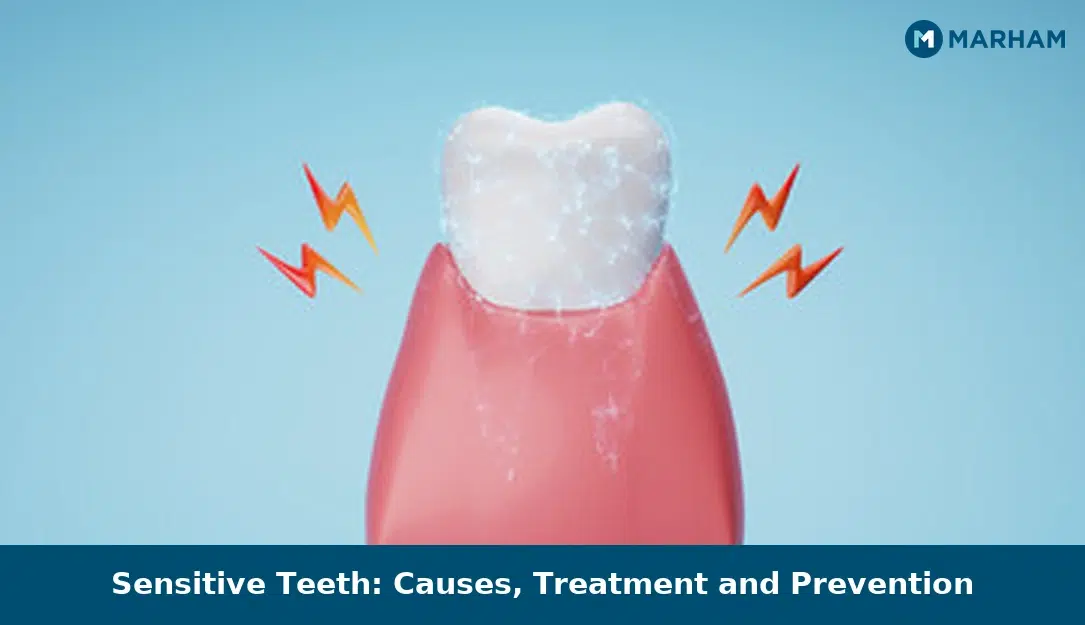
That sharp, shooting pain when you sip hot chai or bite into something cold is one of the most common dental complaints in Pakistan. Most people brush it off as normal, but tooth sensitivity is your teeth signalling that something needs attention.
Dentists in Lahore and Karachi report that patients frequently describe the pain as a sudden “jhanjhanahat” (tingling jolt) that disappears within seconds. That brief duration is actually a key clue: it tells a dentist whether the problem is sensitivity or something more serious like a deep cavity or a cracked tooth.
The good news is that most cases of sensitive teeth respond well to simple changes and, where needed, straightforward dental treatment. Understanding what is actually happening inside the tooth makes the right fix much easier to choose.
حساس دانت: اہم معلومات
حساس دانت پاکستان میں ایک انتہائی عام مسئلہ ہے جو گرم چائے یا ٹھنڈے پانی سے تیز درد کی صورت میں ظاہر ہوتا ہے۔ اس کی بنیادی وجہ دانت کی بیرونی تہہ (مینا) کا گھسنا یا مسوڑھوں کا سکڑنا ہے جس سے اندرونی حساس تہہ بے نقاب ہو جاتی ہے۔ سخت برش، تیزابی غذاؤں اور دانت پیسنے کی عادت سے یہ مسئلہ بڑھتا ہے۔ حساس دانتوں کے لیے خصوصی ٹوتھ پیسٹ، فلورائیڈ علاج اور دانتوں کے ڈاکٹر سے مشورہ مددگار ثابت ہوتا ہے۔
What Causes Sensitive Teeth?
Sensitive teeth happen when the inner layer of the tooth, called dentin, becomes exposed. Dentin contains thousands of microscopic hollow channels called tubules that run directly to the tooth’s nerve. When a trigger (heat, cold, sweetness, or acid) reaches these tubules, a pain signal fires almost instantly.
Two things expose dentin: enamel loss and gum recession. The causes behind each include:
- Brushing too hard. A stiff-bristled brush used with heavy pressure wears enamel away over months and pushes gums back from the tooth root. This is very common in Pakistan, where many people believe harder brushing means cleaner teeth.
- Acidic foods and drinks. Imli (tamarind) chutney, citrus, carbonated soft drinks, and vinegar-based pickles erode enamel with repeated exposure. Sipping soft drinks slowly throughout the day is particularly damaging because the acid contact time increases.
- Teeth grinding (bruxism). Grinding or clenching during sleep wears down enamel on the biting surfaces. Stress-related grinding has become more common in urban Pakistan, and many people are unaware they do it at night.
- Gum disease. Plaque buildup along the gum line causes inflammation (gingivitis) that, if untreated, leads to gum recession and exposed roots.
- Cracked or chipped teeth. A hairline crack lets temperature and bacteria reach the nerve directly.
- Recent dental work. Scaling, fillings, and whitening procedures can cause temporary sensitivity that usually settles within a few weeks.
- Whitening toothpastes. Some heavily abrasive whitening formulas sold in Pakistani pharmacies can thin enamel with prolonged use.
Symptoms: How to Know It Is Sensitivity and Not a Cavity
Sensitive teeth produce a short, sharp pain that starts and stops quickly, typically within a few seconds of the trigger. A cavity or abscess, by contrast, tends to cause pain that lingers, throbs, or wakes you at night.

Common triggers for sensitivity include:
- Hot drinks (chai, qahwa, soup)
- Cold water, cold drinks, or ice cream
- Sweet foods like mithai or sugary drinks
- Sour or acidic foods
- Cold air (breathing through the mouth on a winter morning in Islamabad or Murree)
- Brushing or flossing
If your pain lasts more than 30 seconds after the trigger is removed, or if you have swelling, a visible dark spot, or spontaneous pain with no trigger, those signs point toward something more than sensitivity and need prompt dental evaluation. You can learn more about common dental and oral health conditions and find out when professional care is needed.
Treatment for Sensitive Teeth: What Actually Works
Treatment depends on the underlying cause. A dentist will first identify why the dentin is exposed before recommending anything. The main options, from simplest to most involved, are:
Desensitising Toothpaste
This is the first step for most people. Desensitising toothpastes contain either potassium nitrate, which calms the nerve inside the tooth, or stannous fluoride, which physically blocks the dentinal tubules. According to the American Dental Association (ADA), these toothpastes typically require consistent use over several weeks before sensitivity noticeably reduces. Brands containing these active ingredients are widely available in Pakistani pharmacies and supermarkets at roughly Rs. 400 to Rs. 800 per tube. Apply a small amount with your finger directly onto the sensitive tooth and leave it for a minute before rinsing, in addition to your regular brushing.
Fluoride Applications
A dentist can apply a high-concentration fluoride gel or varnish directly to the sensitive area. This strengthens enamel and helps block the tubules. It is a quick, painless in-office procedure available at most dental clinics in Karachi, Lahore, and Islamabad.

Dental Bonding or Sealants
When gum recession has exposed a tooth root, a dentist may apply a thin layer of tooth-coloured resin (bonding) over the exposed surface. This physically covers the sensitive area. It is more durable than toothpaste alone.
Gum Graft Surgery
For significant gum recession, a periodontist (gum specialist) can take a small amount of tissue and graft it over the exposed root. This protects the root long-term and reduces sensitivity. It is available at specialist dental clinics in major Pakistani cities.
Root Canal Treatment
If sensitivity is severe, persistent, and does not respond to any other treatment, a root canal removes the nerve tissue entirely, ending the pain. Per the ADA, this is reserved for cases where the nerve is irreversibly damaged and all other options have failed.
Treatment Options at a Glance
| Treatment | Best For | Approximate Cost in Pakistan | Done By |
|---|---|---|---|
| Desensitising toothpaste | Mild, widespread sensitivity | Rs. 400 to Rs. 800 (OTC) | Self |
| Fluoride varnish | Mild to moderate sensitivity | Rs. 1,000 to Rs. 2,500 | Dentist |
| Dental bonding | Exposed root, localised area | Rs. 3,000 to Rs. 8,000 per tooth | Dentist |
| Gum graft | Significant gum recession | Rs. 15,000 to Rs. 40,000 | Periodontist |
| Root canal | Severe, unresponsive sensitivity | Rs. 8,000 to Rs. 25,000 per tooth | Dentist |
Prices are approximate and vary by city and clinic.
How to Prevent Sensitive Teeth: A Step-by-Step Routine
- Switch to a soft-bristled toothbrush. Hard brushes are sold widely in Pakistan but they do more harm than good. Medium and soft bristles clean just as effectively without damaging enamel or gums. Colgate, Oral-B, and Sensodyne soft-bristle brushes are all readily available at pharmacies and Imtiaz or Carrefour stores.
- Brush with gentle, circular strokes. Use a light touch. The pressure needed is roughly the same as writing with a pen, not scrubbing a pan.
- Limit acidic food contact time. Enjoy imli chutney, citrus, and carbonated drinks with meals rather than sipping or snacking on them throughout the day. Rinse with plain water afterwards. Do not brush immediately after eating something acidic; wait at least 30 minutes.
- Switch to a fluoride toothpaste. Most toothpastes sold in Pakistan contain fluoride, but check the label. Fluoride remineralises early enamel wear and offers meaningful protection over time.
- Address teeth grinding. If you wake with jaw soreness or your partner reports grinding sounds at night, mention it to your dentist. A custom night guard (a thin plastic tray worn during sleep) prevents enamel wear from bruxism. These are made at most dental clinics in Pakistan for around Rs. 3,000 to Rs. 6,000.
- Use a low-acid mouthwash. Some alcohol-based mouthwashes increase sensitivity. Ask your pharmacist for a fluoride-containing, alcohol-free rinse.
- Get a dental check-up every six months. Professional scaling removes tartar that brushing cannot, reducing the gum disease risk that leads to recession. A basic scaling session at a government dental hospital in Lahore or Karachi typically costs Rs. 500 to Rs. 1,500.
A Note on Neem and Herbal Remedies
Neem (Azadirachta indica) has long been used in Pakistan and South Asia for oral hygiene, and a 2024 clinical trial published in the Pakistan Journal of Medical Sciences found that a neem-based herbal mouthwash produced measurable reductions in tooth sensitivity in patients with visible enamel erosion or gum recession. The study was conducted at Shaheed Zulfiqar Ali Bhutto Medical University, Islamabad. While promising, the researchers noted that neem mouthwash works best as a complementary measure alongside standard dental care, not as a standalone treatment. Rinsing with a saline solution (half a teaspoon of salt in a glass of lukewarm water) twice daily may also help soothe mild gum inflammation, though it will not reverse enamel loss.
Avoid applying raw clove oil directly to sensitive gum tissue without dental guidance. Clove oil contains eugenol, which has mild anaesthetic properties, but undiluted application can irritate soft tissue.
When to See a Dentist for Sensitive Teeth
Mild sensitivity that responds to desensitising toothpaste within two to four weeks generally does not need urgent care. You should book a dental appointment if:
- The pain is sharp and lasts longer than 30 seconds after the trigger is gone
- Only one specific tooth is sensitive (this often points to a crack, cavity, or failing filling)
- You notice swelling, bleeding gums, or a visible dark spot on the tooth
- Sensitivity appeared suddenly after a dental procedure and has not improved after three weeks
- Over-the-counter toothpaste has not helped after four weeks of consistent use
A qualified dentist in Pakistan can identify the exact cause with a clinical examination and, where needed, an X-ray, and recommend treatment that is proportionate to the problem.
Consult a Dental Specialist on Marham
Finding a reliable dentist can feel difficult, particularly if you are outside a major city or have a busy schedule. Marham connects patients across Pakistan with verified dental specialists who offer both in-person and online consultations, so you can get a professional opinion without a long wait.
A short online consultation is a practical first step if you want to know whether your sensitivity needs in-person treatment or whether a change in toothpaste and brushing technique is enough to start with. You can book a dentist appointment in Pakistan through Marham at your convenience, from Karachi to Peshawar.
Frequently Asked Questions
Can sensitive teeth be cured permanently?
Sensitivity can be fully resolved when the underlying cause is treated. For example, a dental bonding procedure over an exposed root or a filling for a cavity can eliminate sensitivity entirely in that tooth. Widespread sensitivity from enamel thinning is managed rather than reversed, because enamel does not regenerate.
Is tooth sensitivity a sign of a cavity?
It can be, but not always. Sensitivity from a cavity is usually localised to one tooth and tends to linger after the trigger. Widespread sensitivity across multiple teeth more often points to enamel erosion or gum recession. A dentist can distinguish between the two.
What toothpaste is best for sensitive teeth in Pakistan?
Toothpastes containing potassium nitrate or stannous fluoride are the most evidence-backed options. Sensodyne, Colgate Sensitive, and Himalaya Sensitive are all available in Pakistani pharmacies. Use consistently for at least four weeks before judging results.
Why are my teeth suddenly sensitive?
Sudden sensitivity often follows a dental procedure (scaling, filling, or whitening), a cracked tooth, or a new habit like switching to a whitening toothpaste. If it came on without any obvious trigger, a dental check-up is the right next step to rule out a crack or cavity.
How long does tooth sensitivity last?
Post-procedure sensitivity from scaling or fillings usually settles within two to four weeks. Sensitivity from enamel erosion or gum recession is ongoing unless treated. If it has lasted more than a month without improvement, see a dentist.
Can I eat ice cream or cold food with sensitive teeth?
You can, though it may be uncomfortable. Eating cold foods slowly, keeping them away from the most sensitive teeth, and using a desensitising toothpaste consistently can reduce the reaction over time. Persistent pain with cold food that lasts beyond a few seconds warrants a dental review.
When should I see a dentist for sensitive teeth?
Book an appointment if sensitivity is severe, affects only one tooth, has lasted more than four weeks without improvement, or is accompanied by swelling, a visible dark spot, or spontaneous pain. These signs suggest a cause that toothpaste alone will not fix.
Conclusion
Sensitive teeth are common, manageable, and in many cases preventable with small adjustments to daily habits. Switching to a soft-bristled brush, using a desensitising fluoride toothpaste, and cutting down on prolonged acid exposure covers the basics for most people in Pakistan. When those steps are not enough, a dentist can identify the exact cause and offer targeted treatment, from a simple fluoride application to a bonding procedure, that addresses the root of the problem rather than just masking the pain.