



Quick Answer
Antibiotics only work on bacterial infections. They have no effect on viruses and cannot shorten a cold, flu, or most sore throats. Taking antibiotics when you have a viral illness does not help you recover faster — it only increases your risk of antibiotic resistance. A doctor’s assessment, and sometimes a blood test or throat swab, is the only reliable way to tell the two apart.
Every winter in Lahore, and every monsoon season in Karachi, clinics fill up with patients carrying the same request: “Doctor, please give me an antibiotic.” The fever has been there two days, the throat is sore, and the body aches. It feels serious. It probably needs medicine. And in Pakistan, antibiotics are easy to get — most pharmacies will hand over a strip of amoxicillin or Augmentin without a prescription.
The problem is that the vast majority of those patients have a viral infection. According to a published study in PubMed, over 62% of people surveyed in Islamabad incorrectly believed antibiotics are useful for treating colds and the flu. Giving antibiotics in those cases doesn’t help. It can actually make things worse — for the patient and for everyone around them.
Understanding the real difference between a viral and a bacterial infection is one of the most practical things a Pakistani patient can know. It helps you make better decisions at the pharmacy, ask better questions at the clinic, and avoid a growing public health crisis that affects every one of us.
وائرل اور بیکٹیریل انفیکشن | Viral aur Bacterial Infection
وائرل انفیکشن وائرس کی وجہ سے ہوتا ہے، جیسے کہ نزلہ، فلو، یا کووڈ-19، اور اینٹی بایوٹک دوائیں ان پر کوئی اثر نہیں کرتیں۔ بیکٹیریل انفیکشن بیکٹیریا کی وجہ سے ہوتا ہے، جیسے کہ گلے کی خراش (اسٹریپ تھروٹ)، پیشاب کی نالی کا انفیکشن، یا نمونیا، اور ان کے علاج کے لیے اینٹی بایوٹک ضروری ہو سکتی ہے۔ پاکستان میں اینٹی بایوٹک کا بے جا استعمال ایک سنگین مسئلہ بن چکا ہے، جو اینٹی بایوٹک ریزسٹنس کو بڑھاوا دے رہا ہے۔ اگر آپ کو بخار، گلے کی خراش یا کھانسی ہو تو خود سے اینٹی بایوٹک لینے سے گریز کریں اور ڈاکٹر سے مشورہ کریں۔
What Is the Difference Between a Viral and Bacterial Infection?
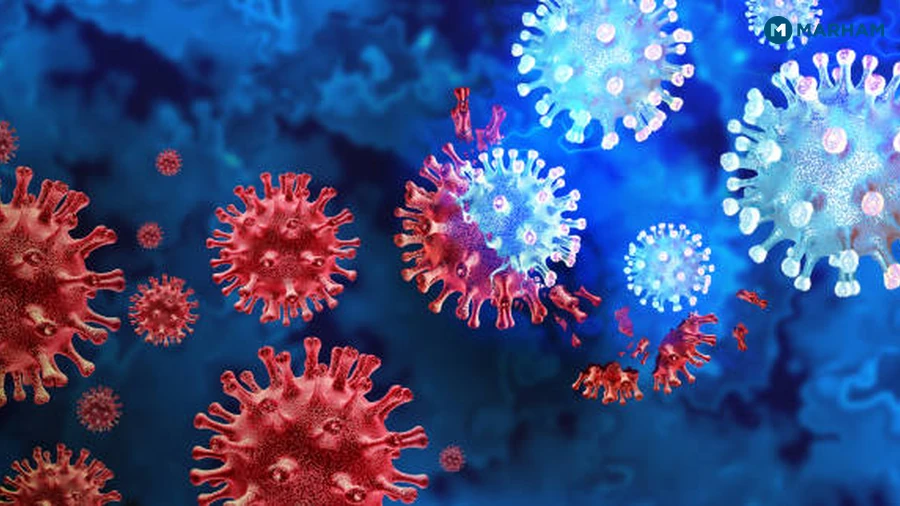
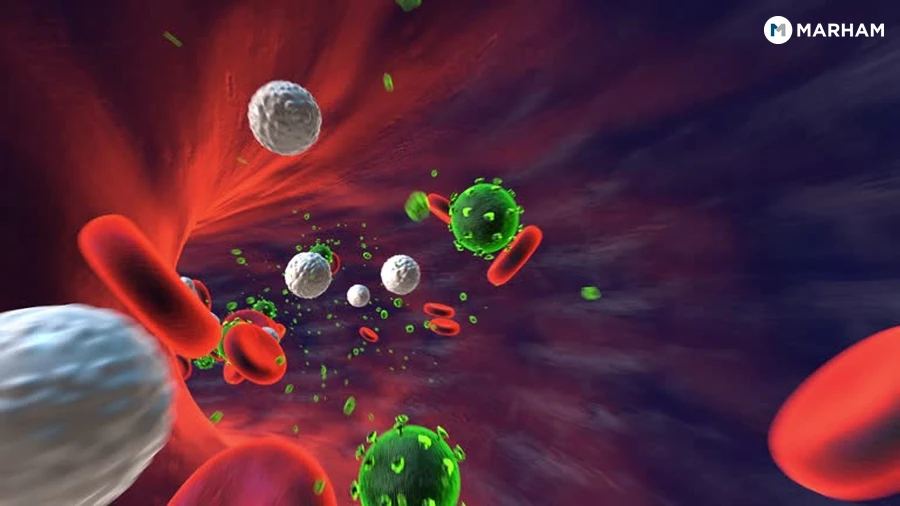
Viruses and bacteria are completely different types of organisms, and they respond to completely different treatments. A virus is not a living cell — it’s a tiny packet of genetic material that hijacks your own body’s cells to make copies of itself. Bacteria, on the other hand, are living single-celled organisms that can survive and multiply on their own.

This structural difference is exactly why antibiotics don’t work on viral infections. Antibiotics are designed to attack bacterial cell walls, disrupt bacterial protein production, or block bacterial DNA replication. Viruses don’t have cell walls or their own metabolic processes, so antibiotics have nothing to target. Taking one for a viral illness is like using a key on the wrong lock.
| Feature | Viral Infection | Bacterial Infection |
|---|---|---|
| Caused by | Virus (e.g. rhinovirus, influenza, COVID-19) | Bacteria (e.g. Streptococcus, E. coli) |
| Common examples | Cold, flu, viral sore throat, chickenpox | Strep throat, UTI, bacterial pneumonia, typhoid |
| Symptom pattern | Whole-body: runny nose, cough, body aches, mild fever | Localised: one area — ear, throat, bladder, skin |
| Mucus colour | Usually clear or white (but can turn yellow — not reliable) | Often thick, yellow or green (not reliable alone) |
| Typical duration | 5 to 10 days, then improves | Can worsen or persist without treatment |
| Treatment | Rest, fluids, paracetamol for fever | Antibiotics (doctor-prescribed) |
| Do antibiotics help? | No | Yes, when the right one is chosen |
How to Tell the Difference: Symptoms That Actually Matter
Symptoms alone can’t reliably tell you which type of infection you have — that’s a clinical fact. Both can cause fever, sore throat, fatigue, and body aches. But there are patterns that make one more likely than the other, and knowing them helps you have a better conversation with your doctor.
Signs that point more toward a viral infection
- Runny nose with clear or watery discharge from the start
- Cough alongside a sore throat and nasal congestion together
- Body aches and fatigue that feel widespread, not localised
- Mild to moderate fever that comes and goes
- Symptoms that start improving within 5 to 7 days
Signs that point more toward a bacterial infection
- Severe sore throat with white patches or pus on the tonsils, but no runny nose or cough
- Pain concentrated in one specific area: one ear, one sinus, the bladder
- High fever (above 39°C or 102°F) that persists or gets worse after day 3
- Symptoms that seem to improve, then suddenly worsen around day 7 to 10
- Thick discharge from one nostril, facial pain, and pressure lasting more than 10 days
One myth worth correcting directly: green or yellow mucus does not mean you have a bacterial infection. Mucus changes colour during any immune response, viral or bacterial. Pakistani patients and even some practitioners treat coloured phlegm as an automatic indicator for antibiotics — it isn’t. Colour alone is not a reliable guide.
Another important pattern: bacteria tend to “set up shop” in one specific area, while viruses spread through the entire upper respiratory tract at once. If you have a runny nose, cough, sore throat, and body aches all at the same time, that multi-system picture strongly suggests a viral illness. A pure sore throat with pus but no other cold symptoms is more likely bacterial strep.
When Do You Actually Need Antibiotics?
Antibiotics are genuinely life-saving medicines — but only when used for the right infection. The conditions below are bacterial and generally require antibiotic treatment, but only after a doctor has assessed you and, where needed, confirmed the diagnosis.
- Confirmed strep throat (bacterial tonsillitis with positive throat swab)
- Urinary tract infection (UTI) — burning urination, frequent urge, cloudy urine
- Bacterial pneumonia — confirmed by chest X-ray or clinical examination
- Ear infection (otitis media) with persistent pain and fever in children
- Typhoid fever — common in Pakistan, caused by Salmonella typhi bacteria
- Skin infections with spreading redness, warmth, and pus (cellulitis, impetigo)
- Bacterial sinusitis — facial pain and pressure with thick discharge lasting more than 10 days
Conditions that do not need antibiotics, even if they feel terrible:
- Common cold — always viral
- Flu (influenza) — viral; antivirals exist for some cases but antibiotics don’t help
- Viral sore throat — the majority of sore throats are viral
- Bronchitis — almost always viral, even when the cough produces coloured mucus
- Viral gastroenteritis (stomach flu) — rest and oral rehydration salts (ORS) are the treatment
If you have a persistent cough that isn’t improving after two weeks, it’s worth reading about persistent cough causes to understand when a respiratory infection may need further evaluation.
Why Antibiotic Misuse Is a Serious Problem in Pakistan
Pakistan has one of the highest rates of antibiotic self-medication in the world. Antibiotics are sold over the counter at most pharmacies without a prescription, and many patients — and some doctors — prescribe them for viral illnesses out of habit or patient pressure. A study published in PMC examining antibiotic dispensing in Punjab found that partial antibiotic courses were sold to patients in over half of cases, and nearly 45% of healthcare workers incorrectly believed antibiotics could treat viral infections.
Antibiotic resistance (antimicrobial resistance, or AMR) happens when bacteria evolve to survive the drugs designed to kill them. Every unnecessary antibiotic course accelerates this process. When resistance develops, even straightforward bacterial infections — a UTI, a skin infection, a case of typhoid — become harder to treat. The WHO has identified AMR as one of the greatest global health threats, and Pakistan is among the countries most affected.
There’s also a direct personal cost. Unnecessary antibiotics can cause diarrhoea, allergic reactions, and disruption to the gut’s healthy bacteria. They don’t shorten a viral illness by a single day. If you’ve been prescribed antibiotics for a cold or flu in the past and felt better, your recovery happened because of your immune system — not the antibiotic.
If you’re unsure whether your infection needs antibiotics, a short online consultation with a general physician can save you from unnecessary medication and help you get the right treatment faster.
What Actually Helps a Viral Infection
Most viral infections resolve on their own within 5 to 10 days when the immune system is given proper support. The following measures are clinically supported and genuinely help:
- Rest properly. Your immune system does its best work when your body isn’t spending energy on other demands. In Pakistan, where many people push through illness and continue working, this step is consistently skipped — and it genuinely slows recovery.
- Stay hydrated. Drink water, warm chai with less sugar, or homemade yakhni (bone broth). Avoid cold drinks from the fridge during fever, which is a common instinct in summer heat but can worsen throat irritation.
- Use paracetamol for fever and pain. Panadol (paracetamol) is appropriate for managing fever above 38.5°C and body aches. Follow the dose on the packet. Don’t double-dose to recover faster — it doesn’t work that way and can harm the liver.
- Use ORS if you have diarrhoea or vomiting. Oral rehydration salts are available at every pharmacy in Pakistan for around Rs 30 to Rs 50 per sachet. Mix with clean water as directed. This is the most important treatment for viral gastroenteritis.
- Salt-water gargle for sore throat. Half a teaspoon of table salt in a glass of warm water, gargled two to three times a day, reduces throat inflammation and is recommended by general physicians across Pakistan’s teaching hospitals.
- Honey and warm water for cough. Evidence from multiple studies suggests honey can reduce cough severity in viral upper respiratory infections. A teaspoon in warm water or warm milk is a reasonable, safe option for adults and children over one year.
- Monitor for warning signs. Most viral illnesses improve on their own. But certain signs mean you need to see a doctor — see the section below.
When to See a Doctor: Warning Signs You Shouldn’t Ignore
Most viral infections don’t need a doctor visit. But some situations require professional assessment, and waiting too long can allow a secondary bacterial infection to develop — where a virus weakens the immune defences and bacteria take hold in the same area.
See a doctor if any of the following apply:
- Fever above 39°C (102°F) that does not come down with paracetamol or lasts more than 3 days
- Symptoms that initially improve, then suddenly worsen around day 7 to 10
- Difficulty breathing or shortness of breath at rest
- Severe throat pain that makes swallowing difficult, with visible white patches on the tonsils
- Ear pain with new fever after several days of cold symptoms
- Symptoms lasting longer than 10 to 14 days without improvement
- Any infection in a child under three months, a pregnant woman, or someone with diabetes, kidney disease, or a weakened immune system
These are the situations where a doctor may order a CBC (complete blood count) blood test, a throat swab, or a urine culture to confirm whether bacteria are involved before prescribing antibiotics. General physicians and specialists in Pakistan use these tests precisely because symptoms alone are not reliable enough. If you’ve had a wound that’s showing signs of infection, the guidance on wound care at home covers the specific signs that need medical attention.
Symptoms that are worsening, lasting beyond 10 days, or affecting your breathing deserve a proper clinical assessment. Marham connects you with verified for online consultations — no waiting room, no travel.
Frequently Asked Questions
Do antibiotics work on viral infections?
No. Antibiotics target bacterial cell structures that viruses don’t have, so they have no effect on a viral illness. Taking antibiotics for a cold or flu won’t shorten your recovery by a single day and increases your risk of antibiotic resistance.
How do I know if my infection is bacterial or viral?
You can’t reliably tell from symptoms alone. Bacterial infections tend to be more localised (one ear, one tonsil, the bladder) and may worsen after 7 to 10 days, while viral infections often affect multiple areas at once and improve within a week. A doctor’s assessment and sometimes a blood test or throat swab is the only definitive way to know.
Can a viral infection turn into a bacterial infection?
Yes. A virus can weaken local immune defences, allowing bacteria to take hold in the same area — this is called a secondary bacterial infection. A common example is a cold that leads to a bacterial ear infection or bacterial sinusitis. This is why worsening symptoms after initial improvement are a red flag.
What happens if I take antibiotics when I don’t need them?
Unnecessary antibiotics can disrupt your gut’s healthy bacteria (causing diarrhoea), trigger allergic reactions, and contribute to antibiotic resistance — making future bacterial infections harder to treat. They don’t speed up recovery from a viral illness at all.
How long does a viral infection usually last?
Most common viral infections, like a cold or the flu, resolve within 5 to 10 days with rest and supportive care. Some viral illnesses can last longer — COVID-19, glandular fever, and hepatitis are examples. If symptoms persist beyond 10 to 14 days or worsen, see a doctor.
Is green or yellow mucus a sign I need antibiotics?
Not necessarily. Mucus changes colour during any immune response, including purely viral ones. Yellow or green phlegm alone is not a reliable indicator of bacterial infection and should not be used as the sole reason to start antibiotics. A doctor’s assessment matters more than mucus colour.
When should I see a doctor for a fever and sore throat in Pakistan?
See a doctor if your fever exceeds 39°C and doesn’t respond to paracetamol, if you have severe throat pain with white patches but no cold symptoms, or if symptoms last more than 10 days. Consulting a general physician early prevents unnecessary self-medication and catches bacterial infections before they worsen.
Conclusion
Most of the fevers, sore throats, and coughs that send Pakistani patients to the pharmacy each winter and monsoon season are viral — and they get better on their own with rest, fluids, and time. Antibiotics are genuinely needed for bacterial infections like strep throat, UTIs, typhoid, and bacterial pneumonia, but not for the common cold, flu, or most sore throats. Knowing the difference protects your own health and helps preserve the effectiveness of antibiotics for everyone. If you’re unsure, a brief clinical assessment is always better than a self-prescribed antibiotic course.
This article is for general health information only and does not constitute medical advice. Always consult a qualified doctor before starting or stopping any medication.