



A small cut from a kitchen knife, a scraped knee from a fall on a Lahore street, a minor burn from a hot tawa — most Pakistani households deal with these injuries several times a year. The good news is that most minor wounds heal well with simple, careful attention at home.
What makes the difference is not the size of the first-aid kit but whether you follow the right steps in the right order. Skipping even one, such as rinsing properly before applying anything, can turn a clean cut into an infected one within 24 hours. In Pakistan’s warm, humid climate, particularly during the monsoon months in Karachi and Lahore, bacteria multiply faster on unprotected skin, so the stakes are a little higher than in cooler climates.
This guide walks through exactly how to care for a minor wound at home, how to spot early infection, which common habits actually slow healing, and when a wound needs a doctor rather than a bandage.
زخم کی دیکھ بھال: اہم معلومات
زخم کی صحیح دیکھ بھال انفیکشن سے بچاتی ہے اور شفایابی کو تیز کرتی ہے۔ گھر پر زخم کا علاج کرتے وقت سب سے پہلے اپنے ہاتھ صابن سے دھوئیں، پھر زخم کو صاف پانی سے اچھی طرح صاف کریں۔ زخم پر کوئی بھی کریم یا پٹی لگانے سے پہلے اسے خشک کرنا ضروری ہے۔ اگر زخم میں سوجن، لالی، گرمی یا پیپ آنے لگے تو فوری طور پر ڈاکٹر سے رجوع کریں۔ ذیابیطس کے مریضوں کے لیے خاص طور پر ضروری ہے کہ وہ ہر زخم کو سنجیدگی سے لیں کیونکہ ان میں زخم دیر سے بھرتے ہیں۔
Key Takeaways
- Clean the wound with clean running water before applying anything else.
- Avoid hydrogen peroxide or iodine on open wounds: both can damage the new tissue needed for healing.
- Cover the wound with a sterile dressing and change it daily or when it gets wet.
- Watch for increasing redness, warmth, swelling, or pus — these are signs of infection, not normal healing.
- People with diabetes in Pakistan are at higher risk of slow-healing or infected wounds and should see a doctor sooner.
- Most minor wounds heal within 5 to 10 days with proper care; a wound that is not improving after two weeks needs medical attention.
How to Clean and Dress a Wound at Home
Cleaning is the single most important step in wound care at home. A wound that is rinsed well in the first few minutes is far less likely to become infected than one that is immediately covered without cleaning.
Follow these steps for any minor cut, scrape, or superficial burn:
- Wash your hands first. Use soap and clean water for at least 20 seconds before touching the wound. This stops bacteria from your hands entering the injury. In areas of Karachi or Islamabad where tap water quality varies, use bottled water for rinsing the wound itself if possible.
- Stop the bleeding. Press a clean cloth or sterile gauze pad gently against the wound. Hold steady pressure for 5 to 10 minutes without lifting to check. Most minor cuts stop bleeding within this time.
- Rinse the wound thoroughly. Hold the wound under clean running water for at least 1 to 2 minutes. This physically removes dirt, bacteria, and debris. Rinsing with water is more effective than antiseptic alone for clearing contamination, according to the NHS.
- Do not use hydrogen peroxide or iodine directly on the wound. Both are still widely used in Pakistani homes and clinics for minor cuts, but clinical evidence shows they damage the healthy cells needed for new tissue to form. A gentle soap-and-water rinse is safer for ongoing care.
- Apply a thin layer of plain petroleum jelly (Vaseline). This keeps the wound moist and reduces scab thickness, which actually speeds healing. Vaseline is available at any general store across Pakistan for around Rs. 150 to 200 and is as effective as many branded antibiotic ointments for clean minor wounds.
- Cover with a sterile adhesive bandage or gauze pad. The dressing keeps the wound clean and maintains the right temperature for tissue repair. Change it once daily, or immediately if it gets wet or dirty.
- Check the wound each day. Look for signs of normal healing (mild pinkness, a thin scab forming) versus signs of infection (see the section below). Do not pick at scabs: the scab protects new skin forming underneath.
Signs Your Wound Is Infected
Normal healing involves some redness and mild soreness in the first 24 to 48 hours. This is the body’s immune response at work, not a sign that something is wrong.
Infection looks different. Watch for these warning signs:
| Sign | Normal Healing | Possible Infection |
|---|---|---|
| Redness | Mild, fades within 2 days | Spreading, getting worse after day 2 |
| Pain | Decreasing over time | Increasing or throbbing |
| Swelling | Slight, reduces quickly | Worsening or hard to the touch |
| Discharge | Clear or pale yellow fluid | Cloudy, thick, or foul-smelling pus |
| Temperature | Wound feels normal | Warm or hot to touch |
| Fever | Absent | Present (38°C or above) |
If you notice spreading redness, pus, or a fever alongside a wound, do not wait to see if it improves. Wound infections can progress to a serious systemic infection (sepsis) if left untreated, according to the WHO. Seek medical care the same day.
What Slows Wound Healing: Common Pakistani Habits to Reconsider
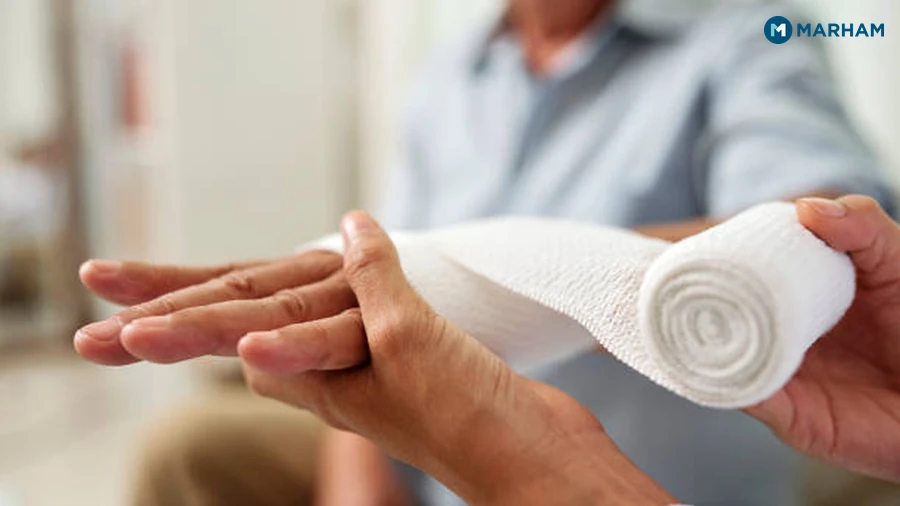
Several habits common in Pakistani households can unintentionally delay healing or increase infection risk.
Applying turmeric (haldi) paste directly to an open wound is a widespread home remedy. Turmeric does have some anti-inflammatory properties, but applying it as a thick paste to an open wound can introduce contaminants, block drainage, and make it harder to assess the wound properly. It is better suited as a spice in your diet than as a topical dressing on a fresh cut.
Leaving the wound uncovered to “let it breathe” is another common belief. Research consistently shows that a covered, moist wound heals faster than a dry, exposed one. The idea that wounds need air is a myth: covering them prevents bacteria from landing on the surface.
Reusing bandages or gauze is a risk in households where supplies are limited. A used dressing carries bacteria. Always use a fresh, sterile piece each time you change the dressing.
Smoking significantly slows wound healing by reducing blood flow and oxygen delivery to the tissue, according to Johns Hopkins Medicine. If you smoke, this is one more reason to consider stopping.
Foods That Support Wound Healing
What you eat matters as much as what you put on the wound. The body needs specific nutrients to rebuild tissue.
- Protein: Needed to form new skin cells. Good Pakistani sources include daal, eggs, chicken, and paneer. Aim for a protein-rich meal at least twice daily while a wound is healing.
- Vitamin C: Supports collagen production, the structural protein of skin. Amla (Indian gooseberry), guava, and fresh tomatoes are inexpensive and widely available across Pakistan.
- Zinc: Plays a role in immune function and tissue repair. Found in meat, chickpeas (chana), and pumpkin seeds.
- Iron: Low iron levels are associated with slower healing. Spinach (palak), lentils, and red meat are good local sources.
Staying well hydrated also matters. In Pakistan’s summer heat, dehydration is common and can reduce blood flow to healing tissue. Plain water is best; coconut water is a good option in the hot months.
Wound Care for People with Diabetes in Pakistan
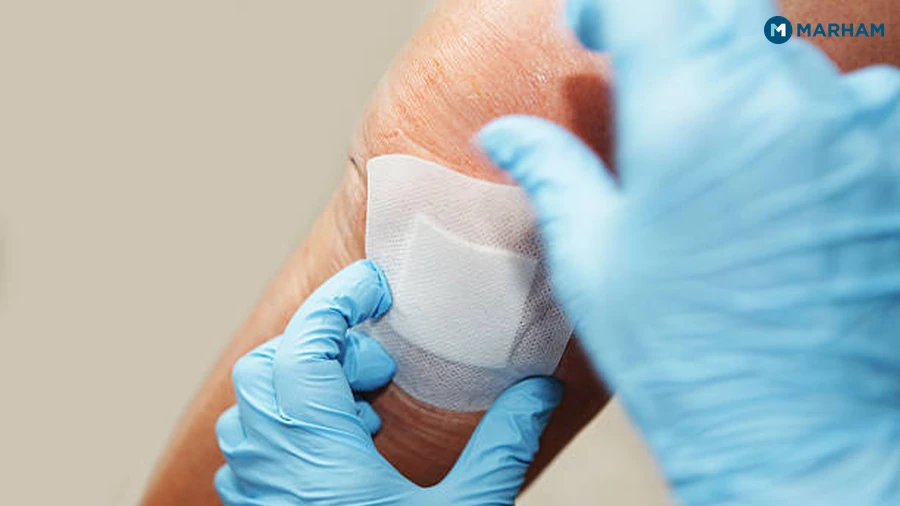
People with diabetes need to take every wound more seriously than a person without the condition. High blood glucose levels impair white blood cell function, which means the body’s ability to fight infection is reduced, according to the NIH. Poor circulation, which is common in long-standing diabetes, also means less oxygen and fewer nutrients reach the wound site.
According to the Pakistan Endocrine Society, diabetic foot complications are among the leading causes of non-traumatic limb amputation in the country. A cut or blister on the foot that might heal in a week for a healthy person can become a serious ulcer in a diabetic patient if not managed properly.
If you have diabetes in Pakistan, inspect your feet daily, treat any wound immediately, and consult a doctor within 24 to 48 hours if a wound is not improving. Do not wait for visible signs of infection before seeking help.
When to See a Doctor for a Wound
Many minor wounds heal well at home. Some need a doctor. Go to a clinic or emergency room the same day if:
- The wound is deep (more than 6 mm), has jagged edges, or the edges cannot be brought together easily. These wounds often need stitches or skin glue.
- Bleeding does not stop after 10 minutes of steady pressure.
- The wound was caused by a rusty object, an animal bite, or a puncture from a nail or needle. These carry a higher tetanus risk.
- You see red streaks spreading outward from the wound, which can indicate a spreading infection.
- The person has a fever of 38°C or above alongside a wound.
- The wound is on the face, near a joint, or over a bone.
- The patient is a child under two years, an elderly person, or someone with diabetes or a weakened immune system.
Consulting a dermatologist in Pakistan is a good option for wounds that are not healing, for wounds that have left a raised or thick scar, or for any skin injury you are uncertain about.
Get Expert Help from Marham
Sometimes a wound raises questions that a first-aid guide cannot fully answer — whether it needs stitches, whether the redness is normal, or whether an underlying condition like diabetes is slowing the healing. Waiting too long to ask those questions can mean the difference between a minor inconvenience and a serious infection.
Marham connects you with verified dermatologists in Pakistan and general physicians through online consultations available from anywhere in the country, including smaller cities where specialist access is limited. A short online consultation typically takes 15 to 20 minutes and can help you decide whether home care is enough or whether you need to come in person. For patients managing diabetes alongside a wound, speaking to an endocrinologist in Pakistan through Marham can also help with blood sugar management during the healing period.
Frequently Asked Questions
How do I know if my wound is infected?
A wound is likely infected if you notice increasing redness, warmth, swelling, or pus after the first 48 hours, rather than these symptoms improving. A fever of 38°C or above alongside a wound is also a sign that the infection may be spreading and needs medical attention.
Should I cover a wound or let it breathe?
Cover it. Research consistently shows that wounds heal faster when kept moist and covered with a clean dressing, not left open to the air. Keeping it covered also prevents bacteria from settling on the exposed surface.
How long does a wound take to heal at home?
Most minor cuts and scrapes heal within 5 to 10 days with proper care. Deeper wounds may take 2 to 4 weeks. If a wound shows no sign of improvement after two weeks, consult a doctor.
What is the best ointment for wounds in Pakistan?
Plain petroleum jelly (Vaseline) is effective and inexpensive for clean minor wounds. For wounds with a higher infection risk, a doctor may recommend a topical antibiotic ointment such as mupirocin. Avoid applying iodine or hydrogen peroxide repeatedly, as both can slow healing.
When should I go to a doctor for a wound in Pakistan?
Go the same day if the wound is deep, will not stop bleeding after 10 minutes of pressure, was caused by a rusty object or animal bite, or shows signs of spreading infection like red streaks or fever. People with diabetes should consult a doctor for any wound that is not clearly improving within 24 to 48 hours.
Can I use haldi (turmeric) on a wound?
Turmeric has some anti-inflammatory properties but applying a paste directly to an open wound is not recommended. It can introduce contaminants and make it harder to monitor the wound. Eating turmeric as part of a balanced diet is a safer way to benefit from its properties during healing.
Is it okay to wash a wound with tap water in Pakistan?
For many areas, clean tap water is sufficient for rinsing a minor wound. In areas where tap water quality is uncertain, use bottled or boiled cooled water for rinsing. The key is to rinse thoroughly for at least 1 to 2 minutes to remove dirt and bacteria.
Conclusion
Most minor wounds heal well at home when you clean them properly, keep them covered, and watch for early signs of infection. The two habits that matter most are thorough rinsing with clean water in the first few minutes and daily dressing changes. For Pakistani households, paying attention to the local climate and being aware of conditions like diabetes that slow healing can make a real difference in outcomes. When a wound is deep, not improving, or showing signs of infection, getting professional advice quickly is always the right call.


