


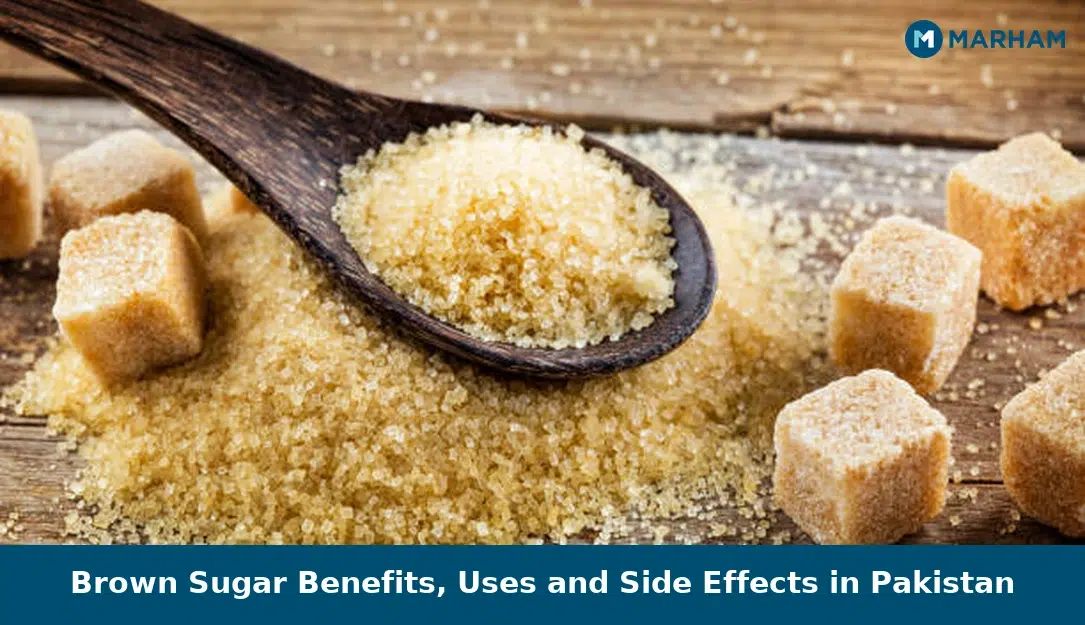

Brown sugar is a familiar sight in Pakistani kitchens. You’ll find it in roadside dhaba chai, in halwa pots, and increasingly on grocery shelves in Lahore and Karachi as health-conscious shoppers reach for it over ordinary white sugar.
The assumption driving that swap is that brown sugar is meaningfully healthier. That belief is worth examining honestly, because the reality is more nuanced than most blogs let on. Brown sugar does have a few genuine advantages, but they are modest, and knowing exactly what they are helps you make a smarter choice for your family.
This guide covers what brown sugar actually contains, how it compares to white sugar and to desi alternatives like shakkar and gur, who benefits most from switching, and when you should keep your intake in check.
براؤن شوگر: اہم نکات
براؤن شوگر میں تھوڑی مقدار میں آئرن، کیلشیم اور پوٹاشیم پایا جاتا ہے جو سفید چینی میں نہیں ہوتا، لیکن یہ مقدار اتنی کم ہے کہ صحت پر کوئی خاص اثر نہیں ڈالتی۔ کیلوریز کے لحاظ سے براؤن اور سفید چینی تقریباً برابر ہیں، اس لیے وزن کم کرنے کے لیے براؤن شوگر کا استعمال فائدہ مند نہیں۔ ذیابیطس کے مریضوں کو بھی براؤن شوگر سے پرہیز کرنا چاہیے کیونکہ یہ بھی خون میں شکر کی سطح بڑھاتی ہے۔ پاکستان میں شکر یا گڑ جیسے قدرتی میٹھے ذرائع غذائیت کے لحاظ سے براؤن شوگر سے بہتر ہیں۔ اعتدال میں استعمال اور کسی غذائی ماہر سے مشورہ ہی بہترین راستہ ہے۔
What Is Brown Sugar and How Is It Made?
Brown sugar is essentially white sugar with molasses added back in. Commercially, manufacturers refine sugarcane juice into white crystals, then reintroduce a controlled amount of molasses to produce the familiar moist, caramel-coloured granules. Light brown sugar contains roughly 3.5% molasses; dark brown sugar contains about 6.5%, according to USDA data.
The molasses is what makes brown sugar look and taste different. It carries trace amounts of minerals and gives the sugar its slightly earthy, toffee-like depth. Without it, you’d have plain white sugar.
In Pakistan, brown sugar is called surkh shakar (سرخ شکر) in some regions, though it should not be confused with desi shakkar or gur (jaggery), which are genuinely less processed and nutritionally distinct.
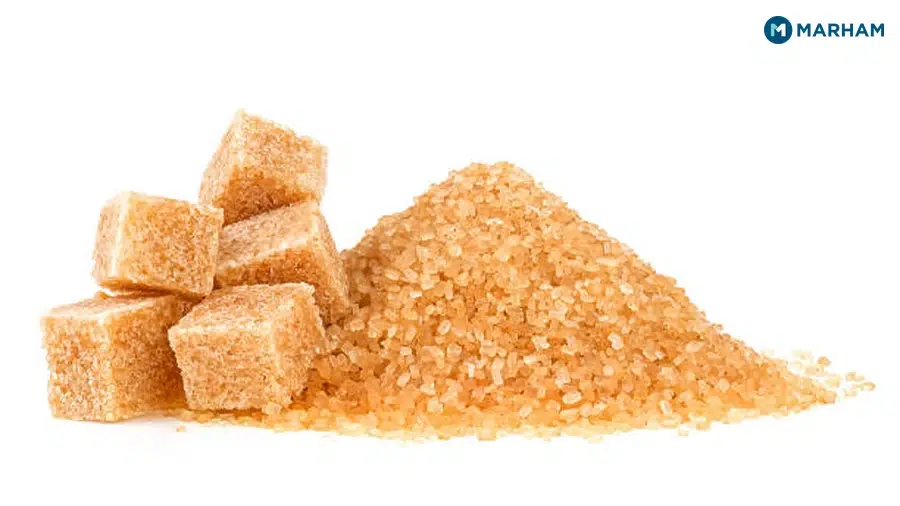
Brown Sugar Nutrition Facts (per 100g)
According to the USDA, 100g of brown sugar provides the following:
| Nutrient | Brown Sugar | White Sugar |
|---|---|---|
| Calories | 380 kcal | 387 kcal |
| Carbohydrates | 98 g | 100 g |
| Sugars | 97 g | 100 g |
| Calcium | 83 mg (6% DV) | 1 mg |
| Iron | 0.71 mg (4% DV) | 0.01 mg |
| Potassium | 133 mg (4% DV) | 2 mg |
| Fat | 0 g | 0 g |
| Protein | 0.1 g | 0 g |
The calorie difference is negligible: roughly 7 calories per 100g. The mineral advantage is real but small. You would need to consume far more sugar than any health guideline recommends to get meaningful nutrition from those minerals alone.
Brown Sugar Benefits: What the Evidence Actually Says
Brown sugar does offer a few genuine advantages over white sugar, though none of them make it a health food. Here is an honest breakdown.
Trace Minerals from Molasses
Brown sugar contains small amounts of calcium, iron, and potassium that are stripped out of white sugar during refining. These come from the molasses fraction. The amounts per teaspoon are not clinically significant on their own, but for someone who already eats a balanced diet, every small source of iron or potassium adds up marginally. Women in Pakistan who have borderline iron intake may find this a minor plus.
Richer Flavour with Less Volume
Because brown sugar has a deeper, more complex taste, many people use slightly less of it to achieve the same perceived sweetness in chai or desserts. This is a practical benefit in a Pakistani household where tea is consumed multiple times a day. Using a level teaspoon of brown sugar in your afternoon chai instead of a heaped teaspoon of white sugar is a small but real calorie saving over weeks.
Antioxidant Contribution from Molasses
Molasses contains polyphenols, which are compounds associated with antioxidant activity. The quantity in brown sugar is low, but it is higher than in white sugar, which contains none. Research on molasses polyphenols is still early-stage; it would be an overstatement to call brown sugar an antioxidant food, but the trace contribution is real.
Skin and Hair Uses (Topical, Not Dietary)
Brown sugar is a popular ingredient in DIY scrubs across Pakistan because its granules are fine enough to exfoliate without scratching. Mixed with a few drops of coconut or olive oil (widely available at Naheed or Imtiaz stores in Karachi), it makes a gentle facial or lip scrub. This is a topical use only and has no bearing on the nutritional debate.
Brown Sugar vs White Sugar vs Shakkar: A Pakistani Perspective
This is the comparison most Pakistani readers actually need, and most blogs skip it entirely.
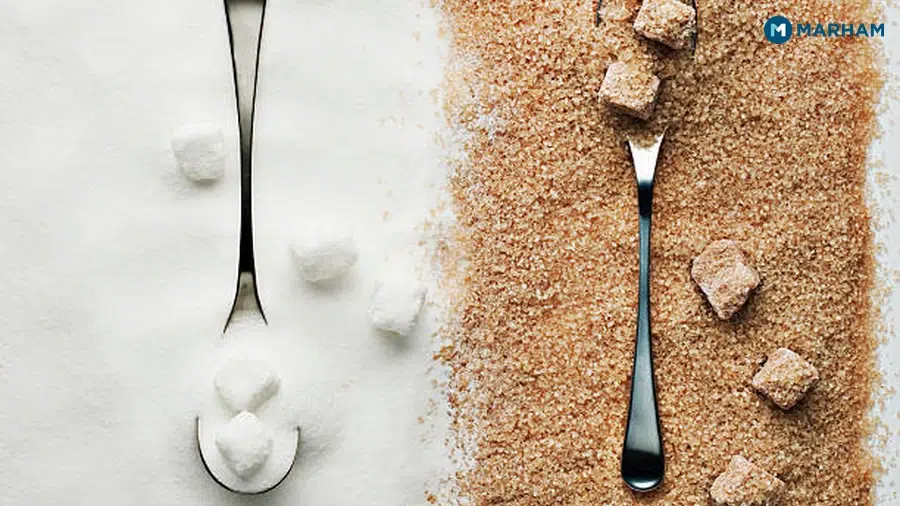
White sugar is fully refined, stripped of all molasses, and offers nothing beyond calories. Brown sugar is mostly white sugar with molasses reintroduced. Both raise blood glucose in essentially the same way because both are predominantly sucrose.
Shakkar (unrefined cane sugar, sometimes called raw cane sugar or khandsari) is the more interesting Pakistani alternative. It retains far more of the natural sugarcane minerals because it undergoes far less processing. Shakkar contains zinc, potassium, iron, and magnesium in amounts that are meaningfully higher than brown sugar. Gur (jaggery) goes further still, with a glycaemic index that some studies suggest may be slightly lower, though it is still a high-sugar food and should be treated with the same moderation.
For a Pakistani family looking to reduce refined sugar, switching from white sugar to shakkar or gur is a more nutritionally meaningful step than switching to commercial brown sugar.
How to Use Brown Sugar in a Pakistani Kitchen
If you choose to use brown sugar, here is how to get the most from it without overconsumption.
- Swap it into your morning chai. Use one level teaspoon of brown sugar instead of your usual heaped teaspoon of white sugar. The deeper flavour holds up well against strong doodh patti, so you notice no real difference in taste.
- Use it in halwa and kheer. Brown sugar’s caramel notes enhance gajar ka halwa and sooji halwa without needing extra ghee or condensed milk for depth. Start with 20% less quantity than the white sugar your recipe calls for and adjust to taste.
- Add it to marinades for BBQ. A tablespoon of brown sugar in a chicken tikka or seekh kebab marinade helps with caramelisation on the tawa or grill. This is a common technique in Lahori BBQ joints and works well at home too.
- Make a simple brown sugar scrub. Mix two tablespoons of brown sugar with one tablespoon of coconut oil (available for around PKR 300 to 500 per 500ml at most kiryana stores). Apply to face or lips, massage gently for 30 seconds, then rinse. Do this once or twice a week.
- Replace in baking. Pakistani households increasingly bake cookies and cakes at home. Substituting brown sugar for white sugar in a 1:1 ratio adds moisture and a richer colour to the finished product without changing the recipe structure.
Who Should Be Careful with Brown Sugar?
Brown sugar is not a safe alternative for people managing blood sugar. Both brown and white sugar are high on the glycaemic index, around 65 to 70, meaning they can raise blood glucose quickly. People with diabetes in Pakistan should treat brown sugar exactly as they treat white sugar: it is an added sugar that needs to be counted and minimised.
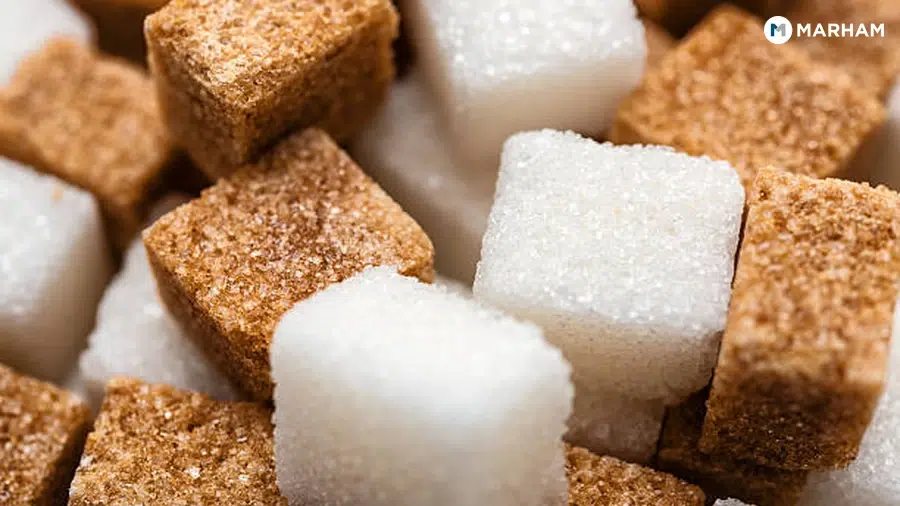
The American Heart Association recommends limiting added sugars to no more than 25g per day for women and 36g per day for men. A single cup of chai made with two teaspoons of brown sugar already contributes roughly 8g of added sugar. Across three cups a day, that’s 24g before food is even considered.
People with obesity, hypertension, or fatty liver disease should also be mindful. Excess added sugar of any colour contributes to weight gain and metabolic strain. For personalised guidance, consulting a nutritionist in Pakistan is the most reliable path forward, especially if you have an existing condition.
If you are unsure whether your current sugar intake is affecting your health, checking your normal blood sugar levels before and after eating is a useful starting point.
Get Dietary Guidance from Marham
Switching sweeteners is a small decision that sits inside a larger picture of your overall diet. For many Pakistani families eating roti, daal, and chai several times a day, total carbohydrate and sugar load matters far more than which type of sugar goes into the pot.
Marham connects you with verified nutritionists in Pakistan who offer online consultations from anywhere in the country, including smaller cities where in-person dietitian appointments are hard to find. A short session typically takes 15 to 20 minutes and can give you a practical, desi-diet-friendly plan that accounts for your actual eating habits rather than generic global advice.
Frequently Asked Questions
Is brown sugar better than white sugar for health?
Brown sugar has marginally more minerals than white sugar because of its molasses content, but the difference is too small to have a meaningful health impact. Both are predominantly sucrose and should be consumed in moderation.
Can diabetics eat brown sugar?
No, diabetics should not treat brown sugar as a safe alternative to white sugar. Both have a similarly high glycaemic index and raise blood glucose in the same way. People managing diabetes should speak to their doctor about appropriate sweetener choices.
Is brown sugar good for weight loss?
Brown sugar is not a weight-loss food. Per 100g it provides around 380 calories, nearly identical to white sugar. Switching from white to brown sugar will not reduce your calorie intake in any meaningful way.
What are the benefits of brown sugar for skin?
When used topically, brown sugar works as a gentle physical exfoliant. Mixed with coconut or olive oil, it can remove dead skin cells from the face or lips. This is a topical benefit only and has nothing to do with eating it.
How much brown sugar per day is safe?
The American Heart Association recommends no more than 25g of added sugar per day for women and 36g for men. Brown sugar counts toward this total the same as white sugar does. Two teaspoons of brown sugar in chai is about 8g.
Is brown sugar good for women specifically?
Brown sugar contains a small amount of iron, which is relevant for women with low iron intake. However, the quantity per serving is too low to serve as a meaningful iron source. Women with iron deficiency should focus on iron-rich foods like red meat, lentils, and leafy greens rather than relying on brown sugar.
Is shakkar healthier than brown sugar in Pakistan?
Yes, shakkar (unrefined cane sugar) is generally a better choice than commercial brown sugar for Pakistani consumers. Shakkar undergoes far less processing and retains more natural minerals. It also has a deeper flavour, so you tend to use less of it. That said, it is still an added sugar and should be used in moderation.
Conclusion
Brown sugar is a perfectly fine sweetener with a flavour that works beautifully in Pakistani cooking, from chai to gajar ka halwa to BBQ marinades. Its nutritional edge over white sugar is real but modest, and it does not make it a health food. For Pakistani families wanting a genuinely less refined option, shakkar or gur are the more meaningful switches. Whatever sweetener you use, the amount matters far more than the colour.


