




Chicken is the most widely eaten meat in Pakistan, and for good reason. Whether it’s a weeknight karahi in Lahore, a steam roast in Islamabad, or a simple grilled piece during a diet plan, chicken shows up on almost every Pakistani table. What most people don’t fully appreciate is just how much nutritional value sits in that everyday meal.
Per 100g of cooked, skinless chicken breast, you get roughly 165 calories, 31g of protein, and under 4g of fat, according to USDA data. That combination is hard to beat in a single food. For a country where protein deficiency is a documented concern, especially among women and children, chicken is genuinely one of the most accessible solutions available in local markets.
This guide covers what chicken nutrition actually looks like across different cuts, how Pakistani cooking methods change the numbers, who benefits most, and when to be cautious.
مرغی کی غذائیت: اہم نکات
مرغی پاکستان میں سب سے زیادہ کھایا جانے والا گوشت ہے اور یہ پروٹین کا ایک بہترین ذریعہ ہے۔ 100 گرام پکی ہوئی بے چربی مرغی کی چھاتی میں تقریباً 165 کیلوریز اور 31 گرام پروٹین ہوتی ہے جو کہ پٹھوں کی مضبوطی اور وزن کے انتظام کے لیے مفید ہے۔ مرغی میں وٹامن بی 6، نیاسین، سیلینیم اور فاسفورس بھی پائے جاتے ہیں جو توانائی اور قوت مدافعت کے لیے ضروری ہیں۔ تاہم، کڑاہی یا تلی ہوئی مرغی میں چکنائی اور کیلوریز کافی بڑھ جاتی ہیں، اس لیے پکانے کا طریقہ بہت اہم ہے۔ اگر آپ وزن کم کرنا چاہتے ہیں یا کسی بیماری میں مبتلا ہیں تو کسی ماہر غذائیت سے مشورہ کریں۔
Chicken Nutrition Facts Per 100g (by Cut)
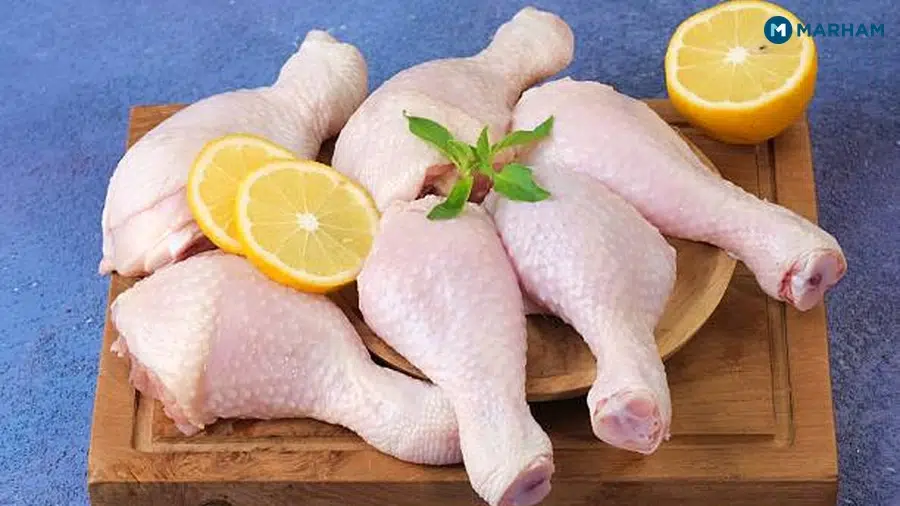
Chicken nutrition varies noticeably depending on the cut. The breast is the leanest; the thigh and drumstick carry more fat but also more flavour and certain micronutrients. Here’s how the main cuts compare, based on USDA data for cooked, skinless portions:
| Cut | Calories | Protein (g) | Fat (g) | Key Micronutrient |
|---|---|---|---|---|
| Breast (skinless) | 165 | 31 | 3.6 | Niacin (B3), Selenium |
| Thigh (skinless) | 179 | 25 | 9.3 | Vitamin B6, Iron, Zinc |
| Drumstick (skinless) | 155 | 24 | 5.7 | Phosphorus, B12 |
| Wings (skinless) | 203 | 30 | 8.1 | Selenium, Zinc |
A few things stand out here. First, the breast is not the only good option. Thighs and drumsticks, which are the cuts most commonly used in Pakistani cooking like karahi and roast, still deliver strong protein with moderate fat. Second, all cuts are zero-carb, which matters for people managing blood sugar. Third, dark meat cuts contain higher levels of iron and zinc, two minerals that are commonly low in the Pakistani diet, particularly among women.
Key Health Benefits of Chicken for Pakistani Diets
Chicken supports health in several well-documented ways. Here’s what the evidence actually says, without overstating it.
High-Quality Complete Protein
Chicken is a complete protein, meaning it contains all nine essential amino acids the body can’t produce on its own. According to the National Chicken Council, a standard 100g serving of chicken breast provides around 31g of protein. This supports muscle maintenance, tissue repair, and immune function. For active Pakistanis or those recovering from illness, this is one of the most efficient protein sources available at local market prices, typically between Rs. 600 and Rs. 900 per kg for broiler chicken in Karachi and Lahore as of 2025.
Supports Weight Management
Protein takes more energy to digest than carbohydrates or fat. This is called the thermic effect of food, and it means a chicken-based meal keeps you fuller for longer compared to a roti-only meal. For someone trying to manage weight, swapping one heavy daal-chawal meal with grilled or steam-roasted chicken can reduce total calorie intake without leaving you hungry. The key is the cooking method, which we cover below.
Rich in B Vitamins and Selenium
Chicken is a strong source of niacin (vitamin B3), vitamin B6, and vitamin B12. These B vitamins support energy metabolism, brain function, and red blood cell production. Selenium, a trace mineral found in chicken, supports thyroid function and immune health. Many Pakistanis, especially those on predominantly plant-based diets, may have suboptimal B12 levels. Including chicken a few times a week can help address this gap without supplementation.
Bone and Muscle Health
The phosphorus in chicken works alongside calcium to maintain bone density. Studies referenced by WebMD indicate that higher protein intake is associated with better bone mineral density, which matters for older Pakistanis at risk of osteoporosis. Muscle mass also declines with age, and regular adequate protein intake, including from chicken, helps slow this process.
How Pakistani Cooking Methods Change Chicken Nutrition
This is the section most global nutrition sites skip entirely, but it’s the most practically relevant point for Pakistani readers.
The nutritional profile of plain grilled or boiled chicken changes substantially depending on how it’s cooked:
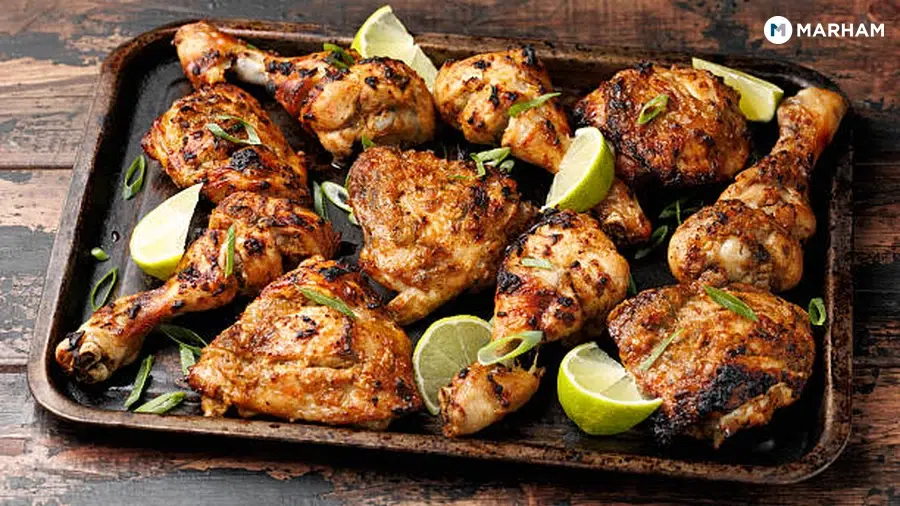
- Steam roast or grilled tikka: Minimal added fat. This is the closest to the USDA baseline numbers in the table above. A steam roast made at home with basic spices and lemon is one of the healthiest ways to eat chicken in Pakistan.
- Chicken karahi: A typical restaurant-style karahi adds 3 to 5 tablespoons of oil or ghee per serving. This can add 300 to 400 extra calories to the dish. Using a single tablespoon of sunflower oil or canola oil at home keeps it manageable.
- Broast or fried chicken: Deep-frying in partially hydrogenated vegetable oil, which is still common in Pakistani restaurants, significantly raises saturated and trans fat content. The protein value stays similar, but the calorie load can more than double.
- Chicken shorba (broth): One of the most nutritious preparations. The broth retains B vitamins and minerals that leach from the meat during cooking. It’s also easy to digest, which is why it’s traditionally given to patients recovering from illness in Pakistani households.
- Slow-cooked nihari-style chicken: Lower in added fat than beef nihari, and the long cook time does not destroy protein. A good option for flavour without excessive oil if made at home.
- Tandoori chicken: Marinated in yoghurt and spices, then cooked at high heat. Yoghurt tenderises the meat without adding significant fat. This is one of the better restaurant options nutritionally.
- Avoid charred or blackened skin: High-heat cooking that chars the surface produces compounds called heterocyclic amines. Trimming charred portions before eating is a sensible precaution.
At least steps 1 and 4 above are distinctly aligned with how Pakistani households actually eat chicken, and the nutritional difference between a home steam roast and a restaurant broast is not trivial.
Who Should Be Cautious with Chicken
Chicken is safe and beneficial for most people, but a few groups need to be thoughtful:
- People with gout or high uric acid: Chicken contains moderate levels of purines. It’s not the highest-purine meat, but people with active gout should discuss portion sizes with their doctor rather than eliminating it entirely.
- Those with cardiovascular disease: Skinless chicken is generally considered heart-friendly. The concern arises with cooking methods, specifically deep-frying in saturated fats. Grilled or baked preparations are the safer choice.
- People on sodium-restricted diets: Plain fresh chicken is naturally low in sodium. However, marinated, processed, or restaurant-prepared chicken can be high in salt. Check if you’re buying pre-marinated chicken from a local butcher.
- Pregnant women: Chicken is a good protein source during pregnancy. The caution is food safety: chicken must be cooked thoroughly to an internal temperature that eliminates Salmonella. Undercooked chicken is a genuine risk, especially in summer months when storage conditions vary across Pakistan.
Note: the traditional belief that chicken has a “garam taseer” (hot temperament) and should be avoided in summer is not supported by clinical nutrition evidence. The protein in chicken does have a slightly higher thermic effect, meaning the body generates a little more heat digesting it, but this is not harmful and does not warrant avoiding chicken in hot weather.
Get Expert Dietary Advice from Marham
For most healthy adults in Pakistan, chicken is a straightforward, beneficial food. But if you’re managing a specific condition such as diabetes, kidney disease, high uric acid, or cardiovascular disease, your ideal portion size and cooking method may be different from the general guidance here.
Marham connects you with verified nutritionists in Pakistan who can review your full diet and give you a personalised plan, not a generic one. An online consultation typically takes 15 to 20 minutes and covers your current eating habits, health goals, and any conditions that affect what you should eat. You can also check our calories in roti guide to understand how your full Pakistani meal stacks up nutritionally, since chicken rarely appears on its own at the dinner table.
Frequently Asked Questions
Is chicken good for weight loss?
Yes, chicken can support weight loss when prepared without excess oil. Its high protein content keeps you fuller for longer and has a higher thermic effect than carbohydrates, meaning your body burns slightly more calories digesting it. Grilled or steam-roasted chicken is the best choice for this purpose.
How much protein is in 100g of chicken?
Cooked, skinless chicken breast provides around 31g of protein per 100g, according to USDA data. Thighs and drumsticks provide roughly 24 to 25g per 100g. All cuts are complete proteins containing all nine essential amino acids.
Is chicken good for diabetics?
Chicken is generally a suitable protein for people with diabetes because it contains no carbohydrates and has a low glycaemic impact. Skinless, grilled or baked preparations are preferable. People with diabetes should consult their doctor or a nutritionist about their overall diet plan rather than relying on any single food.
What is the healthiest way to cook chicken in Pakistan?
Steam roast, grilled tikka, and chicken shorba (broth) are among the healthiest preparations because they add minimal fat. Home-cooked karahi with one tablespoon of oil is also a reasonable option. Deep-fried broast and heavily oiled restaurant preparations add significant calories and saturated fat.
Can I eat chicken every day?
Eating chicken daily is generally safe for most healthy adults. Variety in your protein sources is still advisable, so alternating with fish, eggs, and legumes like daal and chana provides a broader range of nutrients. If you have kidney disease or gout, daily intake should be discussed with your doctor.
Is chicken breast better than chicken thigh nutritionally?
Breast is leaner with fewer calories and less fat, making it better for calorie-controlled diets. Thighs contain more iron, zinc, and vitamin B6, which can be beneficial if those nutrients are low in your diet. Neither is universally superior; it depends on your health goals.
Does chicken increase uric acid?
Chicken contains moderate purines and can contribute to uric acid levels, but it’s not among the highest-purine foods. People with gout or hyperuricaemia should moderate their intake and discuss safe portion sizes with their doctor rather than eliminating chicken entirely.
Conclusion
Chicken nutrition holds up well under scrutiny. It’s a complete protein, rich in B vitamins and selenium, naturally carbohydrate-free, and available at accessible prices across Pakistan. The biggest variable isn’t the chicken itself but how it’s cooked. A home-made steam roast and a restaurant broast share the same raw ingredient but deliver very different nutritional outcomes. Choosing the preparation method thoughtfully, and pairing chicken with vegetables and whole grains like brown rice or whole-wheat roti, is the most practical step most Pakistani households can take toward a better daily diet.


