



Every Pakistani parent knows the scene: a plate of daal chawal sits untouched while a three-year-old demands plain roti and nothing else. Picky eating in kids is one of the most common feeding concerns parents bring to paediatricians, and it can leave families exhausted, anxious, and unsure of what to do.
The frustration is real, but so is the reassurance. Most children go through a phase of selective eating, and many do grow out of it. The challenge for parents is knowing what is normal, what actually helps, and when the fussiness crosses a line that needs professional attention.
This guide covers the causes behind picky eating, practical strategies that work in a Pakistani household, the nutritional risks worth watching, and clear signs that it is time to speak to a specialist.
بچوں میں کھانے کی نخرے بازی
بچوں میں کھانے سے انکار یا صرف چند مخصوص چیزیں کھانا ایک عام مسئلہ ہے جو اکثر دو سے چھ سال کی عمر میں سامنے آتا ہے۔ اس کی وجوہات میں کھانے کی بناوٹ یا خوشبو سے حساسیت، نئی چیزوں سے گھبراہٹ، اور والدین کی طرف سے زبردستی کھلانے کی عادت شامل ہو سکتی ہے۔ اگر بچہ اپنی عمر کے مطابق وزن اور قد میں ٹھیک بڑھ رہا ہے تو فکر کرنے کی ضرورت کم ہوتی ہے۔ تاہم اگر بچہ بہت کم چیزیں کھاتا ہو، وزن نہ بڑھے، یا کھانے کے وقت شدید پریشانی ہو تو کسی ماہر غذائیت یا ڈاکٹر سے مشورہ لینا ضروری ہے۔
What Is Picky Eating and Is It Normal?
Picky eating means a child consistently refuses certain foods, accepts only a narrow range of foods, or strongly resists trying anything new. The American Academy of Pediatrics (AAP) notes this is a normal developmental behaviour, particularly common between ages two and six, when children are asserting independence and growth rates slow down.
Many toddlers experience a phase of picky eating when they need fewer calories than during months when they were growing faster. That drop in appetite can look alarming to parents, but it often reflects biology, not defiance.
The behaviour becomes a concern when it is extreme, persistent, or affecting the child’s growth. Among children who are picky eaters, only about one-third to one-half will outgrow their picky eating within two to three years, and three to ten percent of infants and children have significant, persistent feeding and growth problems over time.
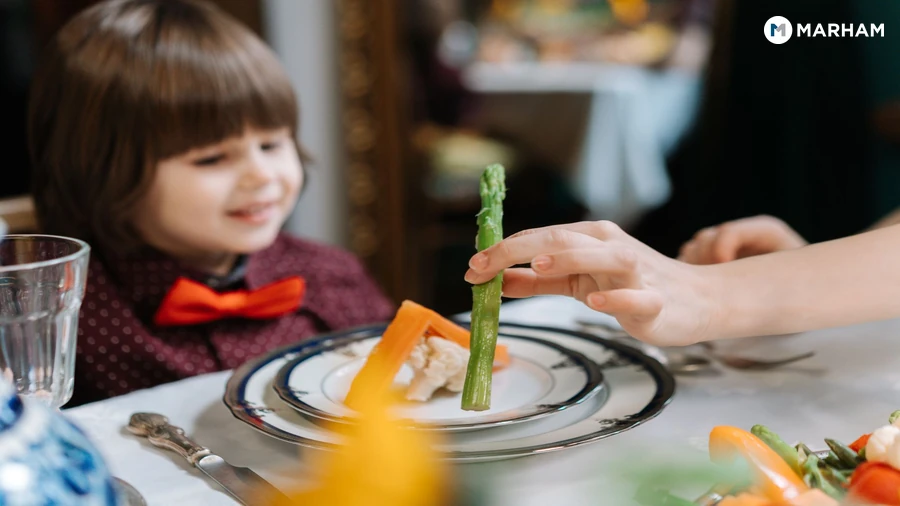
Why Is My Child a Picky Eater? Real Causes
Picky eating rarely has a single cause. Several factors tend to overlap.
Sensory sensitivity. Children can become picky eaters for a number of reasons, and some children are naturally more sensitive to taste, smell, and texture. A child who gags on soft food or refuses anything green may not be misbehaving; their nervous system genuinely processes these sensations more intensely.
Feeding pressure at home. Picky eating habits are more likely to develop when parents punish, bribe, or reward their children’s eating behaviours. In many Pakistani homes, anxious grandparents and parents force-feed or use sweets as a bribe, which often backfires and deepens the refusal.
Late introduction of varied textures. Causes of picky eating include early feeding difficulties, late introduction of lumpy foods at weaning, and pressure to eat. Children introduced to a wider variety of textures before age one tend to accept more foods later.
Copying adults. Other children develop picky eating habits by modelling their parents’ fussy eating habits. If a parent avoids sabzi at the dinner table, a toddler notices.
Food neophobia. This is the fear of trying new or unfamiliar foods. It peaks around age two to three and is a normal evolutionary response, but in some children it is more intense and longer-lasting.
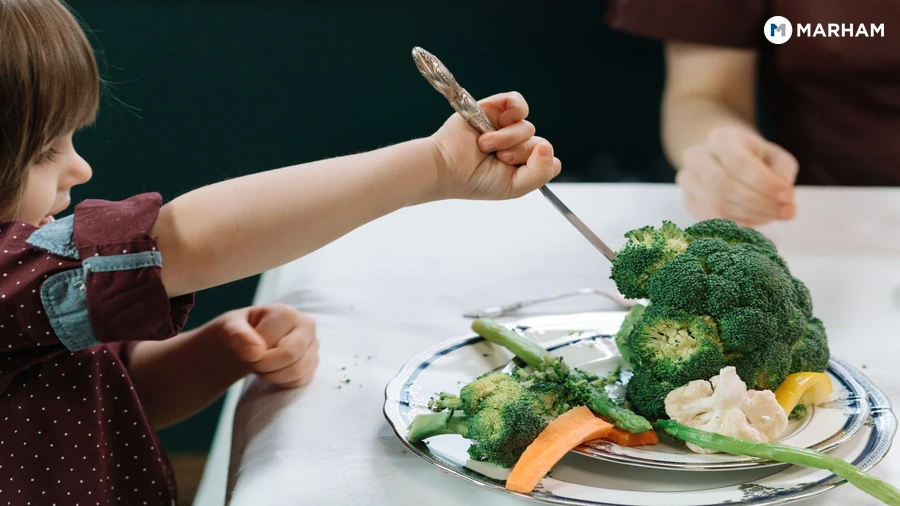
How Picky Eating Affects a Child’s Nutrition
For Pakistani parents, this is the part that matters most. A child eating only roti with butter and refusing daal, sabzi, eggs, or fruit is at real nutritional risk.
The consequences for the child’s diet include poor dietary variety and a possible distortion of nutrient intakes, with low intakes of iron and zinc being of particular concern. Iron deficiency can cause fatigue, poor concentration, and slower development. Zinc deficiency affects immunity and growth.
Nearly 10 million Pakistani children suffer from stunting, and more than half the children under five years of age are deficient in vitamin A, with 40 percent deficient in both zinc and vitamin D, and nearly 62 percent anaemic, according to UNICEF Pakistan. While picky eating is not the only cause, a narrow diet in a country where micronutrient deficiency is already widespread makes the stakes higher.
Low intakes of dietary fibre, as a result of low intakes of fruit and vegetables, are associated with constipation in picky eaters. Constipation is one of the more visible signs parents notice early.
| Nutrient | Foods commonly refused | Risk if deficient |
|---|---|---|
| Iron | Meat, daal, leafy greens | Anaemia, fatigue, poor focus |
| Zinc | Meat, eggs, legumes | Slow growth, weak immunity |
| Vitamin A | Carrots, spinach, egg yolk | Poor vision, low immunity |
| Dietary fibre | Vegetables, fruit, whole grains | Constipation, gut discomfort |
| Vitamin D | Eggs, fortified milk, sunlight | Weak bones, poor development |
Practical Tips to Help a Picky Eater in Pakistan
These strategies are backed by paediatric guidance and adapted for a desi kitchen and household.
- Serve one meal for the whole family. Avoid cooking a separate plain dish just for the picky child. Serve one meal for the whole family and resist the urge to make another meal if your child refuses what you have served, as this only encourages picky eating. Include at least one food you know they accept alongside the new item.
- Hide vegetables inside familiar desi foods. Blend spinach into the daal, grate carrots into chapati dough, or add finely chopped vegetables to keema. The taste of spices masks the unfamiliar flavour while the child gets the nutrients. This works particularly well in Lahori-style keema or Karachi-style aloo keema.
- Offer new foods repeatedly without pressure. Children may not like every food you give them on the first try. Give them a chance to try foods again and again, even if they do not like them at first, as children may need to try some foods many times before they like them.
- Let the child help in the kitchen. Children are less likely to reject foods they help make. Ask a four-year-old to wash the sabzi, stir the daal, or roll a small roti. Ownership builds curiosity.
- Eat together without screens. Turn off the TV and put phones away. Share a meal together as a family as often as you can, with no media distractions like TV or cell phones at mealtime, and use this time to model healthy eating. Children who watch parents eat confidently tend to follow.
- Avoid using mithai or chips as rewards. Bribing a child with a biscuit to eat their sabzi teaches them that the biscuit is the prize and the sabzi is the punishment. It reinforces the hierarchy you are trying to break.
- Try local seasonal fruits as a bridge. Fruits like falsa in summer, amla in winter, or fresh chikoo are naturally sweet and easier to accept than vegetables. They also provide vitamin C, which helps the body absorb iron from daal and sabzi eaten at the same meal.
Picky Eating in Urdu
بچوں میں کھانے سے انکار اکثر والدین کے لیے پریشانی کا باعث بنتا ہے۔ ماہرین کے مطابق، زبردستی کھلانے سے مسئلہ بڑھتا ہے۔ بہتر یہ ہے کہ کھانے کو دلچسپ بنایا جائے، بچے کو باورچی خانے میں شامل کیا جائے، اور خاندان کے ساتھ مل کر کھانا کھایا جائے۔
When Should You Worry About Picky Eating?
Most picky eating is a normal phase. But some signs deserve attention from a paediatrician or child nutritionist.

See a specialist if your child:
- Has lost weight or is not gaining weight for their age
- Accepts fewer than 10 to 15 foods in total
- Gags, vomits, or panics at the sight of new foods
- Has never accepted a whole food group (no protein, no fruit, no vegetables at all)
- Shows signs of iron or zinc deficiency: persistent fatigue, frequent infections, or hair loss
- Is still extremely selective past age six
If extreme fussiness with foods persists after age 6, it may be time to look at other causes for the picky eating. A paediatric dietitian can assess whether the child’s intake is meeting their growth needs and recommend targeted strategies.
Consulting a nutritionist in Pakistan early is far easier than trying to correct nutritional deficiencies after they have developed.
Get Expert Help from Marham
Parents dealing with a picky eater often feel stuck between forcing the issue and giving up entirely. If your child’s growth chart is flat, their energy seems low, or you have been managing this for more than a year without progress, a professional assessment makes a real difference.
Marham connects you with verified nutritionists in Pakistan who can review your child’s current diet, check for gaps in iron, zinc, or vitamin D, and give you a practical meal plan that works within a Pakistani household’s normal cooking. An online consultation typically takes 20 to 30 minutes and can be booked from Karachi, Lahore, Islamabad, or anywhere else in the country without a waiting room visit.
Frequently Asked Questions
Is picky eating in kids normal?
Yes, picky eating is a normal developmental phase for most toddlers and preschoolers. It typically peaks around ages two to three and often improves by age five or six, though some children take longer.
Can picky eating affect my child’s growth?
It can, if the diet becomes very narrow over time. Poor dietary variety may lead to low intakes of iron and zinc, which are of particular concern for growing children. Regular weight and height checks with your paediatrician help catch any growth slowdown early.
How do I get my child to eat vegetables?
Offer vegetables repeatedly in small amounts without pressure, and try blending them into familiar foods like daal or keema. Giving your child foods with a variety of different tastes and textures can help them learn to accept and like a variety of foods.
Will my child outgrow picky eating on their own?
Many do, but not all. Among children who are picky eaters, only about one-third to one-half will outgrow their picky eating within two to three years. If the behaviour is severe or affecting growth, waiting it out is not always the right approach.
When should I see a doctor for my child’s picky eating?
See a doctor if your child is losing weight, accepting fewer than 15 foods, panicking at mealtimes, or is still extremely selective past age six. A nutritionist in Pakistan can assess the diet and guide you with a structured plan.
Is it okay to hide vegetables in food for picky eaters?
Yes, hiding vegetables in daal, keema, or chapati dough is a practical and widely used approach. It ensures the child gets the nutrients while you work on expanding their food acceptance gradually over time.
Can forcing a child to eat make picky eating worse?
Yes, it often does. When children are picky eaters, sometimes it is a response to controlling or pushy parents, and the battle over food can then lead to resistance and defiance from the child. A calm, pressure-free mealtime environment tends to produce better results over time.
Conclusion
Picky eating in kids is common, manageable, and rarely a crisis when caught early. The most effective approach combines patience, consistent exposure to varied foods, and a calm mealtime environment that does not turn every meal into a negotiation. For Pakistani families, working with the foods already in the kitchen, like adding vegetables to daal or fruits as a snack after chai time, is often more practical than overhauling the whole diet at once. If growth is on track and the child is generally healthy, keep going. If something feels off, a child nutritionist can give you clear answers quickly.


