


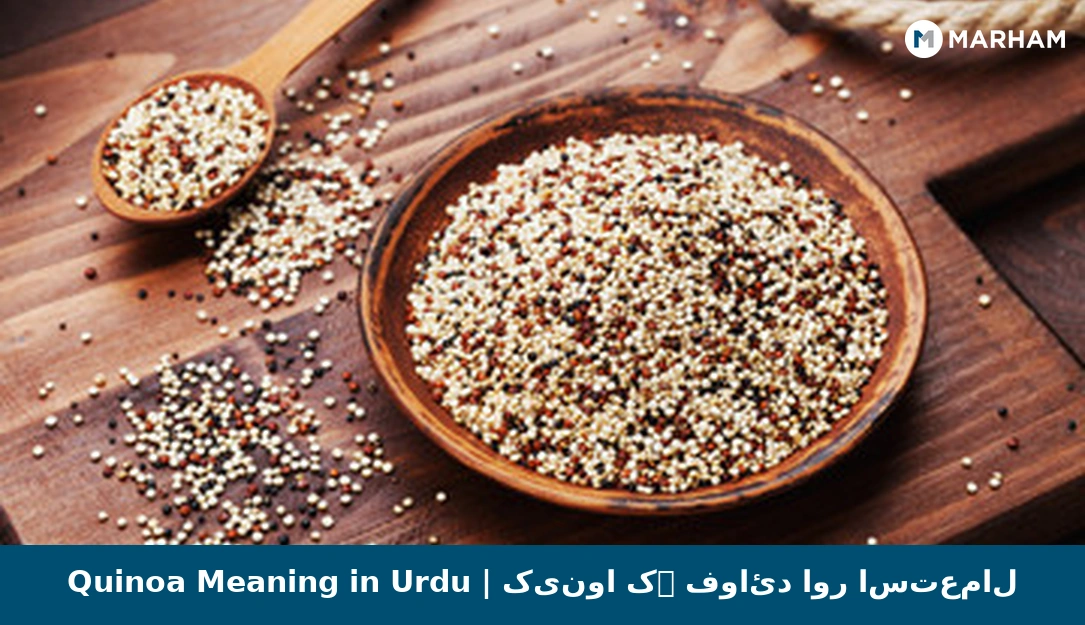

Quinoa has quietly found its way onto Pakistani kitchen shelves over the last few years. You’ll spot it at pansar stores in Lahore’s Liberty Market, health-food sections in Karachi’s upscale grocery chains, and now on Daraz. Most people, though, still aren’t sure what it’s called in Urdu or whether it fits into a desi diet built around chawal, daal, and roti.
That uncertainty is worth clearing up, because quinoa’s nutritional profile genuinely stands apart from the grains Pakistanis eat daily. According to the USDA FoodData Central database, 100g of dry quinoa provides roughly 14g of protein and 7g of dietary fibre, both notably higher than white rice. For Pakistani households managing weight, blood sugar, or simply trying to add variety, that matters.
This guide covers the Urdu name and pronunciation, the key health benefits with real numbers, how to cook quinoa in a Pakistani kitchen, who should be careful about it, and where to buy it at a fair price.
Quinoa in Urdu
کینوا ایک غذائیت سے بھرپور بیج ہے جو اردو میں “کینوا” (تلفظ: کِین-واہ) کہلاتا ہے۔ اسے بعض اوقات قنواہ یا قنوا بھی لکھا جاتا ہے۔ یہ جنوبی امریکا کے اینڈیز پہاڑی علاقے کا پودا ہے جس کے بیج صدیوں سے خوراک کے طور پر استعمال ہوتے رہے ہیں۔ کینوا میں تمام نو ضروری امینو ایسڈز پائے جاتے ہیں، جو اسے پودوں سے حاصل ہونے والی مکمل پروٹین بناتے ہیں۔ پاکستان میں یہ صحت بخش غذا اب بڑے شہروں جیسے لاہور، کراچی اور اسلام آباد میں آسانی سے دستیاب ہے۔
What Is Quinoa Called in Urdu?
Quinoa is called کینوا in Urdu, pronounced “keen-wah.” You may also see it written as قنواہ or قنوا in some Pakistani pansar stores, but کینوا is the most widely used spelling in Urdu text. The word traces back to the Quechua language of the Andean peoples, where it was written as kinwa.
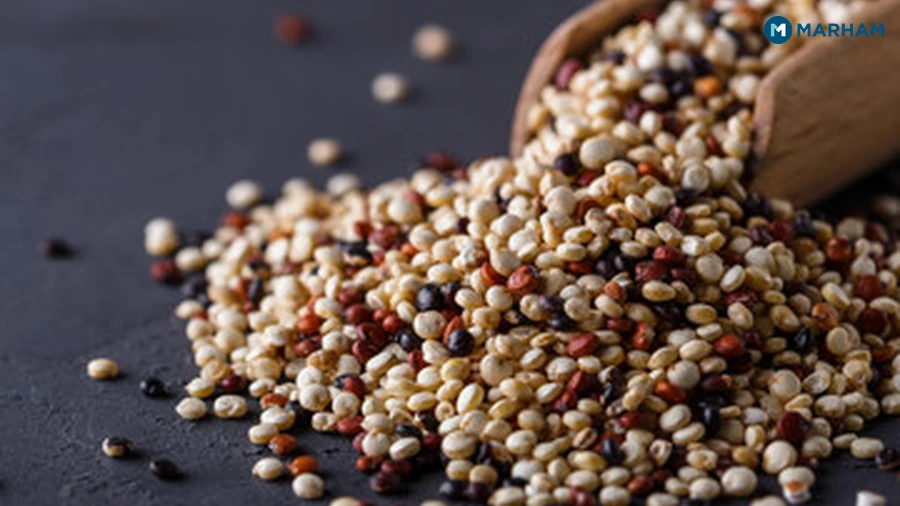
Botanically, quinoa (Chenopodium quinoa) is not a cereal grain at all. It’s a seed from a flowering plant related to spinach and beetroot. Scientists classify it as a pseudocereal, meaning it’s cooked and eaten like a grain but doesn’t come from a grass family plant. This distinction matters practically: it’s naturally gluten-free, which wheat, barley, and rye are not.
Key Takeaways
- Urdu name: کینوا (keenwa), also written قنواہ
- Pronounced: keen-wah (not “kwi-NO-ah”)
- A pseudocereal, not a true grain; naturally gluten-free
- One of the few plant foods containing all nine essential amino acids
- Available in Lahore, Karachi, and Islamabad; 250g packs typically Rs. 750 to Rs. 900
- Rinse well before cooking to remove saponin, a bitter natural coating
Quinoa Nutrition Facts (Per 100g)
The numbers below are for dry (uncooked) quinoa, sourced from the USDA FoodData Central database.
| Nutrient | Per 100g (dry) | Per 100g (cooked) |
|---|---|---|
| Calories | ~368 kcal | ~120 kcal |
| Protein | ~14g | ~4.4g |
| Dietary Fibre | ~7g | ~2.8g |
| Carbohydrates | ~64g | ~21g |
| Fat | ~6g | ~2g |
| Iron | ~4.6mg | ~1.5mg |
| Magnesium | ~197mg | ~64mg |
| Glycaemic Index | 53 (low) | 53 (low) |
The cooked column is what’s relevant for a normal serving. One cup (about 185g) of cooked quinoa provides roughly 222 calories and 8g of protein. Compare that to the same volume of cooked white rice: about 240 calories and just 4g of protein. The fibre gap is even wider. White rice has under 1g of fibre per cooked cup; quinoa has around 5g.
Quinoa ke Fayde: 7 Health Benefits
Quinoa’s benefits come from its nutrient density, not from any single magic compound. Here’s what the evidence actually supports.
Complete Plant Protein
Quinoa is one of the very few plant foods that provides all nine essential amino acids, including lysine, which is typically low in grains like wheat and rice. This makes it genuinely useful for Pakistani vegetarians, people reducing meat intake, or anyone whose daily protein from daal and eggs feels insufficient. A 185g cooked serving delivers around 8g of protein per the USDA.
Supports Healthy Blood Sugar Levels
Quinoa has a glycaemic index of roughly 53, which is considered low. Foods with a low GI are digested more slowly, producing a more gradual rise in blood glucose rather than a sharp spike. For Pakistani families where diabetes is common, swapping white rice for quinoa in some meals may help with post-meal blood sugar management. That said, portion size still matters, and anyone already on medication for blood sugar should discuss dietary changes with their doctor before making significant switches.
High Fibre for Digestive Health
The fibre in quinoa supports regular bowel movements and feeds beneficial gut bacteria. Constipation is a frequent complaint among Pakistanis eating a low-vegetable, high-refined-carbohydrate diet. Adding a cup of cooked quinoa to lunch a few times a week is a practical way to raise fibre intake without overhauling the entire diet.
Heart Health Support
Quinoa contains magnesium, potassium, and flavonoids such as quercetin and kaempferol. Magnesium plays a role in maintaining normal blood pressure, and quercetin has been studied for its anti-inflammatory properties. Dietary patterns that include more whole grains and pseudocereals are associated with lower cardiovascular risk in several large population studies, though quinoa alone is not a treatment for heart disease.
Gluten-Free Alternative
For Pakistanis with coeliac disease or non-coeliac gluten sensitivity, finding satisfying alternatives to wheat-based roti and bread is genuinely hard. Quinoa is naturally gluten-free and nutritionally far richer than many commercial gluten-free substitutes. Quinoa flour can also be mixed with besan (chickpea flour) to make flatbreads that hold together reasonably well.
Weight Management
The combination of protein and fibre in quinoa promotes satiety, meaning you feel full for longer after eating it. This can reduce the urge to snack between meals, which is a common challenge for Pakistani office workers who eat a heavy lunch and then reach for biscuits or chai by 4pm. It won’t produce weight loss on its own, but it can be a useful tool as part of a calorie-aware diet.
Rich in Iron and Magnesium
Iron deficiency anaemia is widespread among Pakistani women and adolescent girls, per data from Pakistan’s National Nutrition Survey. Quinoa provides about 4.6mg of iron per 100g dry weight, which is meaningful. Pairing it with a squeeze of lemon juice (vitamin C) helps the body absorb non-haem iron from plant sources more efficiently.
How to Cook Quinoa in a Pakistani Kitchen
Cooking quinoa is straightforward once you know the one step most people skip: rinsing.
- Rinse thoroughly. Place quinoa in a fine mesh strainer and rinse under cold running water for at least 60 seconds. This removes saponin, a naturally occurring bitter coating. Pakistani tap water pressure is usually sufficient; if your water pressure is low, soak for 5 minutes then drain.
- Use the 1:2 ratio. One cup of dry quinoa to two cups of water. This is the same ratio as basmati rice, so it’s easy to remember.
- Bring to a boil, then simmer. Bring the water to a boil over medium heat, add quinoa, then reduce to a low simmer. Cover with a lid.
- Cook for 15 minutes. Quinoa is done when the water is absorbed and you can see the small white “tail” (the germ) curling away from each seed. Don’t overcook or it turns mushy.
- Rest for 5 minutes, then fluff. Remove from heat, leave the lid on for 5 minutes, then fluff with a fork. This step is the same as resting basmati rice and makes a real difference to texture.
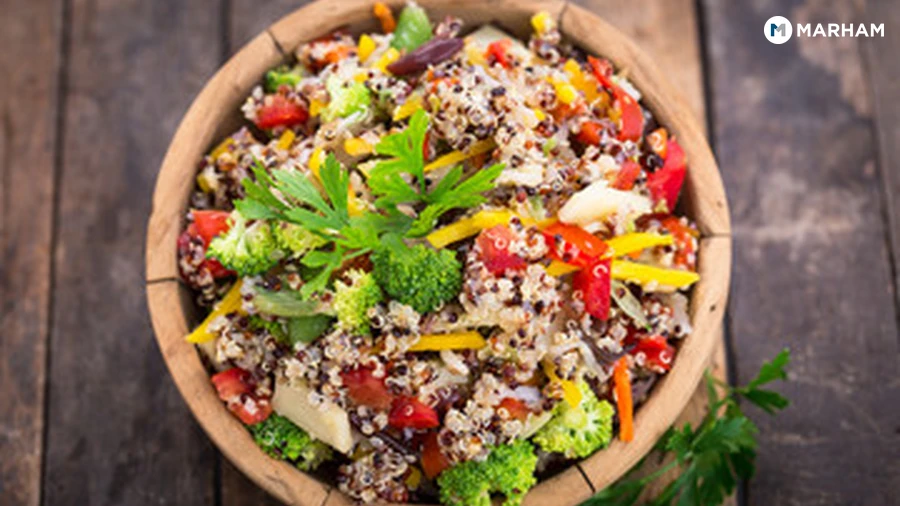
- Season for a Pakistani palate. Toast a pinch of zeera (cumin seeds) in a teaspoon of ghee or oil, pour over the cooked quinoa, and add salt. This simple tarka transforms the slightly bland grain into something that pairs well with daal or sabzi.
- Use as a rice substitute. Quinoa works in place of chawal in khichdi, pulao, or as a base for chicken karahi leftovers. The nutty flavour is mild enough that it absorbs spices well.
Quinoa vs White Rice: Which Is Better for Pakistanis?
This is the practical question most Pakistani readers actually have.
| Feature | Quinoa | White Rice (Basmati) |
|---|---|---|
| Protein (per cooked cup) | ~8g | ~4g |
| Fibre (per cooked cup) | ~5g | ~0.6g |
| Glycaemic Index | ~53 (low) | ~64 to 72 (medium-high) |
| Gluten-free | Yes | Yes |
| Essential amino acids | All 9 | Incomplete |
| Cooking time | 15 to 20 min | 15 to 20 min |
| Price in Pakistan (1kg) | Rs. 1,300 to Rs. 2,000 | Rs. 200 to Rs. 400 |
| Taste fit for desi dishes | Moderate (with tarka) | Excellent |
White basmati rice is deeply embedded in Pakistani food culture and costs a fraction of the price. Quinoa isn’t a replacement for every meal; it’s a practical upgrade for 2 to 3 meals per week, particularly for people managing weight or blood sugar. A nutritionist in Pakistan would typically suggest a gradual substitution rather than a complete switch.
Quinoa Side Effects and Who Should Be Careful
Quinoa is safe for most people, but a few groups should take note.
Saponin sensitivity. Quinoa’s natural coating contains saponins, which can cause stomach discomfort, bloating, or skin irritation in sensitive individuals. Thorough rinsing before cooking removes most of it. If you experience digestive upset after eating quinoa even when rinsed, reduce the portion size and try again.
Kidney disease. Quinoa is relatively high in oxalates and phosphorus. People with chronic kidney disease in Pakistan, a condition affecting a significant portion of the population, should consult their nephrologist before adding quinoa regularly to their diet, as both nutrients require careful management in kidney patients.
Existing medication for blood sugar or blood pressure. Quinoa can modestly affect blood glucose and blood pressure through its fibre and magnesium content. If you’re already on medication for either condition, discuss any significant dietary change with your doctor.
Allergy. Quinoa allergy is rare but real. Symptoms can include hives, itchy skin, or stomach upset. If you notice these after eating quinoa for the first time, stop and consult a physician.
Persistent digestive symptoms, unexplained fatigue, or any concern about how a new food is affecting you deserves a proper evaluation. Consulting a nutritionist in Pakistan can help you work quinoa into your diet safely, especially if you have an existing health condition.
Where to Buy Quinoa in Pakistan and What It Costs
Quinoa is now reasonably accessible in Pakistan’s major cities. In Lahore, you’ll find it at health stores in Gulberg and DHA, as well as pansar stores in Liberty Market. In Karachi, it’s stocked in upscale grocery sections in Clifton and Defence. Islamabad buyers can find it at organic health stores in F-7 and online.
For online purchase, several Pakistani sellers on Daraz and dedicated health stores deliver nationwide with cash on delivery. Prices as of 2026: 250g packs typically run Rs. 750 to Rs. 900, and 1kg bags range from Rs. 1,300 to Rs. 2,000 depending on the brand and whether it’s organic. ChiltanPure and Naturals.pk are among the local brands currently selling packaged quinoa in Pakistan.
Get Expert Dietary Advice from Marham
Adding a new food to your diet sounds simple, but if you have diabetes, kidney disease, PCOS, or are trying to lose weight under a specific plan, the details matter. How much quinoa per day, whether it fits your calorie target, and how it interacts with your current meals are questions worth getting right.
A short online consultation with a nutritionist in Pakistan through Marham typically takes 15 to 20 minutes and can give you a personalised answer rather than a general one. Marham connects Pakistani patients with verified nutritionists who consult online from anywhere in the country, so you don’t need to travel to a major city to get sound dietary guidance. If your concern is blood sugar or kidney health specifically, you can also speak with a relevant specialist through the same platform.
Frequently Asked Questions
What is quinoa called in Urdu?
Quinoa is called کینوا (keenwa) in Urdu, pronounced “keen-wah.” It is also sometimes written as قنواہ or قنوا in Pakistani stores, but کینوا is the most common Urdu spelling.
Is quinoa good for weight loss in Pakistan?
Yes, quinoa can support weight management because its protein and fibre combination promotes satiety, helping you feel full longer. It works best as a partial substitute for white rice in 2 to 3 meals per week, not as a standalone solution.
Can diabetics eat quinoa?
Quinoa has a low glycaemic index of around 53, which means it causes a slower rise in blood sugar than white rice. People with diabetes may benefit from including it in their diet, but anyone on blood sugar medication should consult their doctor before making significant dietary changes.
What are the side effects of quinoa?
The most common side effect is digestive discomfort caused by saponin, the bitter coating on quinoa seeds. Rinsing thoroughly before cooking removes most of it. People with kidney disease should consult a doctor before eating quinoa regularly due to its oxalate and phosphorus content.
How do you cook quinoa?
Rinse 1 cup of quinoa under cold water for 60 seconds, then cook with 2 cups of water on a low simmer for 15 minutes until the water is absorbed. Rest for 5 minutes, then fluff with a fork. Add a zeera tarka for a Pakistani flavour.
Is quinoa available in Pakistan and what is the price?
Yes, quinoa is available in Lahore, Karachi, and Islamabad at health stores and online. A 250g pack typically costs Rs. 750 to Rs. 900, and a 1kg bag ranges from Rs. 1,300 to Rs. 2,000 depending on the brand.
Can I eat quinoa every day?
Eating quinoa daily is safe for most healthy adults. A typical serving is about half a cup dry (roughly 185g cooked). People with kidney disease or oxalate-related kidney stones should check with their doctor before making it a daily habit.
Conclusion
Quinoa, or کینوا, earns its reputation through straightforward nutritional facts: more protein than rice, more fibre, a lower glycaemic index, and all nine essential amino acids from a single plant source. It won’t replace chawal on every Pakistani table, but for 2 to 3 meals a week it’s a practical, versatile addition that works well with desi spices. Rinse it, cook it like rice, add a zeera tarka, and you have a meal that genuinely serves your health goals.


