Quick Answer A headache causes pressure or aching pain, usually on both sides of the head, and typically resolves within a few hours. A migraine is a neurological condition that produces moderate to severe throbbing pain, most often on one side, and is frequently accompanied by nausea, light sensitivity, and visual disturbances. The two need different treatments, so telling them apart matters. But when the pain keeps coming back, forces you into a dark room, or stops you from getting through a normal day in Karachi or Lahore, it may be something more than a routine headache. Many Pakistani patients…
Author: Sameed Chaudhary
The federal government has allocated PKR 53.3 billion to the health sector under the 2026 to 27 Public Sector Development Programme (PSDP). This marks a significant increase from the PKR 16.5 billion initially allocated the previous year, and the funding is aimed at strengthening tertiary care and crisis management across the country. At a Glance Total health allocation: PKR 53.3 billion, up from PKR 16.5 billion the previous year Earmarked for health, nutrition, and targeted medical infrastructure: PKR 24.3 billion Main focus areas: cancer care, cardiovascular health, and emergency infrastructure Fiscal cycle: the 2026 to 27 Public Sector Development Programme…
Quick Answer For most Pakistani skin types, a broad-spectrum SPF 50 sunscreen is the right starting point. Look for the label “PA+++” or “PA++++” alongside SPF, as this confirms UVA protection, which is the main driver of pigmentation and premature ageing in our climate. Match the formula to your skin type: gel or matte finish for oily skin, a lotion or cream base for dry skin, and a mineral (zinc oxide) formula for sensitive or pigmentation-prone skin. Apply it every single morning, including on cloudy days and indoors. Sunscreen is one of those products that most people in Pakistan own…
Lemongrass tea is one of those quiet herbal drinks that has been sitting in Pakistani pansar shops for decades, long before herbal wellness became a trend. Known locally as lemon grass or barbed wire grass, it brews into a light, citrusy cup that smells faintly of fresh lemon without any sourness. On a warm Lahore afternoon or after a heavy daal chawal dinner, it genuinely earns its place. The plant, Cymbopogon citratus, grows well in the warm, humid climate of South Asia. In Pakistan you’ll find dried lemongrass stalks sold at pansar shops across Karachi, Lahore, and Islamabad, and pre-packaged…
Quick Answer Low carb diet foods in Pakistan include eggs, chicken, mutton, leafy greens like palak and methi, low-carb sabzis like tinda and karela, full-fat dahi, and nuts. The foods to cut back on are roti, chawal, naan, and sweet chai. A typical low-carb day keeps total carbohydrate intake between 50 and 130 grams, depending on your health goal. Roti is the backbone of almost every Pakistani meal. Three rotis at lunch, two at dinner, a paratha at breakfast — it adds up fast, and for anyone trying to manage weight or blood sugar, that carbohydrate load is the first…
It starts with one can before an exam, then one before the gym, then one just to get through the day. For thousands of young Pakistanis, energy drinks have become a daily habit. What most do not realise is that this habit can quietly raise their blood pressure, known in Urdu as بلند فشارِ خون (buland fishaar e khoon), years before they ever expect it. Quick Answer High blood pressure in your 20s is rising in Pakistan, and heavy energy drink use is one of the hidden causes. The caffeine, sugar, and stimulants in these drinks can spike your blood…
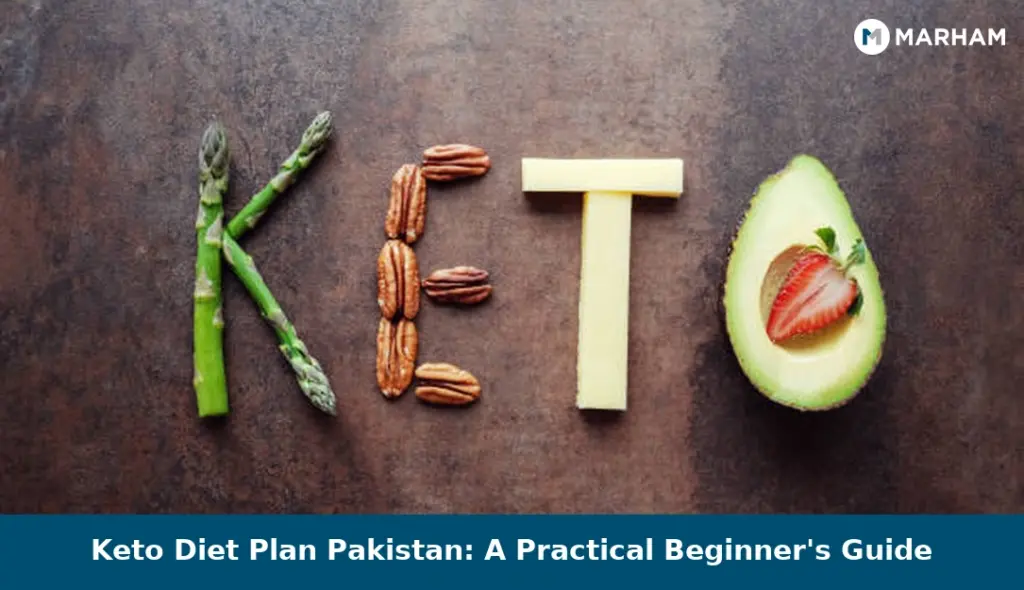
Weight loss conversations in Pakistan almost always circle back to one word: keto. Walk into any gym in Lahore or Karachi and you’ll hear it. Scroll through any WhatsApp health group and someone is asking about it. The keto diet plan has become one of the most searched diet approaches in Pakistan over the past few years, and for understandable reasons. The challenge is that most guides online are written for Western readers. They mention avocados, bacon, and Greek yogurt without acknowledging that the average Pakistani household runs on roti, chawal, daal, and chai. Adapting keto to a desi kitchen…
Many people in Pakistan go through stretches of nights where sleep simply won’t come. Work pressure, family stress, the heat of a Karachi summer, or the disrupted routine of Ramazan can all chip away at a person’s ability to rest properly. When the problem drags on for weeks, the thought of a neend ki tablet starts to feel like the only way out. Sleep disorders are more common in Pakistan than most people realise. A study published in a peer-reviewed journal (PMC, 2022) found that insomnia was the most prevalent sleep disorder among the Pakistani population surveyed, with mental stress,…
Falling sick is stressful enough. Then comes the second worry that stops many Pakistanis from seeing a doctor at all: how much is this going to cost? People often delay care simply because they are unsure of the fee. The honest answer is that a doctor consultation cost in Pakistan is not one fixed number. It depends on the doctor, the city, and whether you visit in person or online. This guide breaks down the real 2026 fee ranges verified from Marham’s own doctor listings, and shows how to compare and book within your budget. Quick Answer In Pakistan, doctor…
Have you ever scooped the seeds out of a fresh kaddu and thrown them straight in the bin? In most Pakistani kitchens that is exactly what happens. Yet those tiny green seeds are quietly one of the most nutrient packed foods you can eat. People search for pumpkin seeds benefits hoping for a simple answer. The truth is that this small seed does a lot of good work, from your heart to your sleep. Quick Answer Pumpkin seeds, known as کدو کے بیج (Kaddu ke Beej) in Urdu, are rich in magnesium, zinc, healthy fats, plant protein, and antioxidants. A…